Introduction
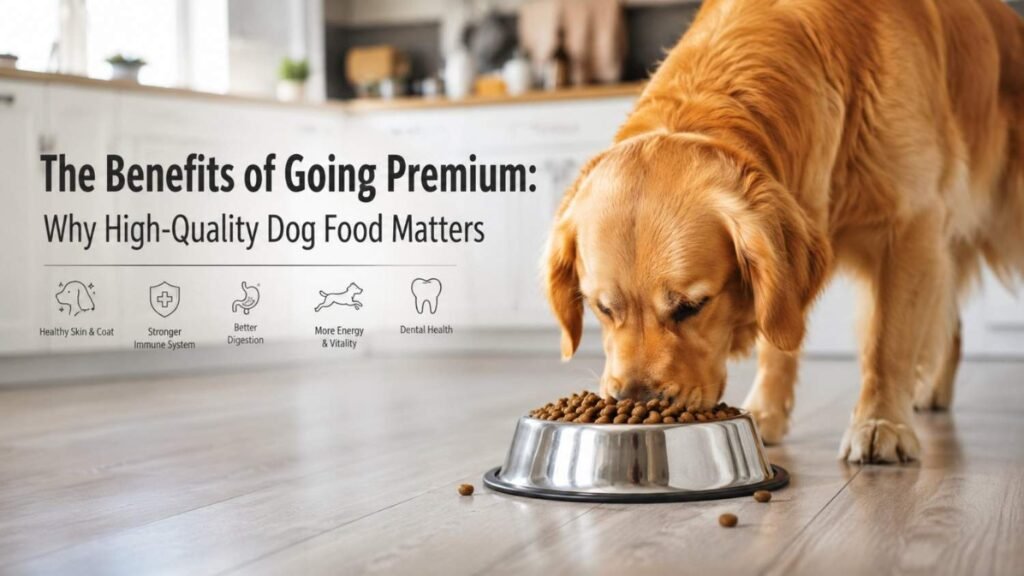
The nutrition of our canine companions is a subject that has garnered increasing attention from pet owners, veterinarians, and canine nutritionists alike. The pet food industry has evolved significantly over the past few decades, with a growing focus on the importance of high-quality ingredients and balanced nutrition. Premium dog food, characterised by higher-quality ingredients and a more thoughtful formulation, is often viewed as a necessary investment in the long-term health of your dog. This article seeks to explore the benefits of premium dog food, providing an in-depth look at its ingredients, nutritional value, and the impact it can have on your dog’s overall health and well-being.
Understanding Premium Dog Food
Premium dog food typically refers to products that are made with high-quality ingredients, which may include whole meats, vegetables, fruits, and grains. These foods are often formulated with specific nutritional needs in mind, tailored to different life stages, sizes, and health conditions of dogs. Unlike lower-quality dog food that may rely on fillers and artificial additives, premium options prioritise wholesome, natural ingredients.
Key Characteristics of Premium Dog Food
-
High-Quality Ingredients: Premium dog foods often feature real meat as the first ingredient, along with whole foods like vegetables and fruits. This contrasts with many lower-quality brands that use meat by-products or fillers.
-
Balanced Nutrition: These foods are typically formulated to meet the nutritional standards set by the Association of American Feed Control Officials (AAFCO), ensuring that they provide a complete and balanced diet.
-
No Artificial Additives: Many premium dog foods avoid artificial colours, flavours, and preservatives, opting instead for natural alternatives.
-
Specialised Formulations: Premium brands often offer options for specific dietary needs, such as grain-free, high-protein, or weight management diets, catering to dogs with unique health requirements.
The Health Benefits of Premium Dog Food
- Improved Digestion
High-quality dog food is often easier for dogs to digest, thanks to the absence of fillers and artificial ingredients. Ingredients such as prebiotics and probiotics, commonly found in premium formulations, can support gut health and improve digestion. This can result in more consistent stool quality and a reduction in gastrointestinal issues.
- Enhanced Nutritional Value
Premium dog foods typically contain higher concentrations of essential nutrients, such as proteins, vitamins, and minerals. These nutrients are crucial for a dog’s overall health, supporting functions such as immune response, skin and coat health, and muscle development. The bioavailability of these nutrients is also often higher in premium foods, meaning dogs can absorb and utilise them more effectively.
- Weight Management
Maintaining a healthy weight is critical for a dog’s longevity and quality of life. Premium dog foods often include balanced macronutrients and may contain higher levels of fibre, which can help dogs feel fuller for longer. This is particularly beneficial for dogs prone to obesity, as it can aid in weight management and promote a healthy metabolism.
- Skin and Coat Health
The quality of a dog’s coat and skin can often be a reflection of their diet. Premium dog foods frequently include fatty acids such as Omega-3 and Omega-6, which are essential for maintaining a healthy skin barrier and a shiny coat. These nutrients can reduce the risk of skin allergies and improve overall skin health.
- Long-term Health Benefits
Investing in premium dog food can lead to long-term health benefits, including a reduced risk of chronic diseases such as diabetes, heart disease, and arthritis. By providing a balanced and nutritious diet, pet owners can help ensure that their dogs lead longer, healthier lives.
Professional Advice on Choosing Premium Dog Food
When considering a switch to premium dog food, it’s essential to keep the following professional recommendations in mind:
-
Consult Your Veterinarian: Before making any significant changes to your dog’s diet, consult with your veterinarian. They can provide personalised recommendations based on your dog’s age, breed, health status, and lifestyle.
-
Read Labels Carefully: Familiarise yourself with reading ingredient lists and nutrition labels. Look for brands that highlight quality ingredients, and avoid those with vague terms like “meat by-products” or “animal fat.”
-
Transition Gradually: If you decide to switch to a new premium dog food, do so gradually. A sudden change can lead to digestive upset. Mix the new food with the current food over several days, gradually increasing the proportion of the new food.
-
Monitor Your Dog’s Response: Observe how your dog responds to the new food. Look for improvements in energy levels, coat condition, and overall behaviour. If you notice any adverse reactions, consult your veterinarian.
-
Consider Life Stage and Activity Level: Choose a formulation that meets your dog’s specific needs. Puppies require different nutrition than adult or senior dogs, and active dogs may need higher protein and calorie content than less active dogs.
FAQs
Q1: Is premium dog food worth the investment?
A1: Many pet owners find that the long-term health benefits and improved quality of life provided by premium dog food justify the higher cost. However, the value can vary depending on your dog’s specific needs and health status.
Q2: How can I identify a high-quality dog food?
A2: Look for dog foods that list whole meats as the first ingredient and avoid those with artificial additives. The product should meet AAFCO nutritional standards and provide a balanced diet tailored to your dog’s specific needs.
Q3: Can I mix premium dog food with lower-quality food?
A3: While it’s possible to mix different types of food, it’s generally advisable to transition your dog fully to the premium food for optimal health benefits. Mixing can dilute the quality and nutritional value of the premium food.
Q4: Are there any specific brands you recommend?
A4: Recommendations can vary based on individual dog needs. However, brands known for their high-quality ingredients and transparency include Orijen, Blue Buffalo, Wellness, and Canidae. Always consult your veterinarian for tailored recommendations.
Q5: How often should I feed my dog premium food?
A5: Feeding frequency can depend on your dog’s age, size, and activity level. Generally, adult dogs are fed once or twice daily, while puppies may require more frequent meals. Consult your veterinarian for guidance on portion sizes and feeding schedules.
Conclusion
The choice to invest in premium dog food is one that can significantly impact your dog’s health and longevity. With a focus on high-quality ingredients, balanced nutrition, and tailored formulations, premium dog foods offer distinct advantages over lower-quality options. By prioritising your dog’s dietary needs and consulting with professionals, you can make informed decisions that promote a healthier, happier life for your canine companion.