Hunting has been an integral part of human culture for centuries, and dogs have played a vital role in this pursuit. The bond between humans and dogs in the context of hunting is not only historical but also functional, as specific breeds have been developed to excel in various aspects of this activity. Whether you’re an avid hunter, a first-time dog owner, or simply a dog enthusiast, understanding the characteristics of hunting dog breeds can help you choose the right companion for your outdoor adventures. In this article, we will explore the top 10 hunting dog breeds, providing descriptions and professional advice to help you make informed decisions.
1. Labrador Retriever
Description
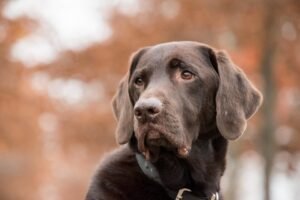
The Labrador Retriever is one of the most popular dog breeds worldwide and is renowned for its versatility in hunting. Originally bred as a fishing dog, Labradors excel in retrieving waterfowl and upland game. Their friendly nature, intelligence, and eagerness to please make them excellent companions both in the field and at home.
Professional Advice
Labradors require consistent training and socialization from an early age. Engaging them in activities such as obedience training, agility, and scent work can enhance their skills. Regular exercise is essential to maintain their physical and mental health.
2. German Shorthaired Pointer
Description
The German Shorthaired Pointer (GSP) is a versatile breed known for its exceptional hunting abilities. This breed is capable of tracking, pointing, and retrieving game both on land and in water. GSPs are characterized by their high energy levels and strong instincts, making them ideal for various hunting environments.
Professional Advice
GSPs thrive on physical activity and mental stimulation. A daily routine that includes long walks, runs, or play sessions is crucial. Consider incorporating scent training and fieldwork to harness their natural hunting instincts effectively.
3. Beagle
Description
Beagles are small to medium-sized hounds known for their incredible sense of smell and tracking abilities. Originally bred for hunting rabbits and hares, they are adept at tracking scents over long distances. Their friendly demeanor makes them popular family pets as well.
Professional Advice
Beagles require early socialization and consistent training due to their independent nature. Engaging them in scent work, games, and interactive toys can help channel their energy positively. Regular exercise is vital to prevent boredom and associated behavioral issues.
4. English Springer Spaniel
Description
The English Springer Spaniel is a medium-sized gundog known for its friendly personality and exceptional hunting skills. Originally bred to flush game from cover, Springers are versatile and excel in various hunting roles, including retrieving and tracking.
Professional Advice
English Springer Spaniels thrive on companionship and require regular exercise and mental challenges. Activities such as fetch, agility training, and obedience exercises are beneficial. Regular grooming is necessary due to their long, feathered coat.
5. Coonhound
Description
Coonhounds are a group of breeds known for their exceptional tracking abilities, particularly in hunting raccoons. They possess a keen sense of smell and a distinctive baying voice, making them effective hunters in the field. Their friendly and laid-back nature makes them suitable companions as well.
Professional Advice
Coonhounds require ample exercise and mental stimulation. Training should focus on positive reinforcement, as they can be stubborn. Regular outdoor activities such as hiking and playing fetch will help keep them mentally and physically fit.
6. Vizsla
Description
The Vizsla is a Hungarian breed known for its agility and loyalty. This versatile hunting dog excels in both pointing and retrieving game, making it a valuable companion for hunters. Vizslas are known for their affectionate nature and strong bond with their owners.
Professional Advice
Vizslas require regular exercise and mental engagement to prevent behavioral issues. They thrive in active households and benefit from activities such as running, swimming, and participation in dog sports. Early training and socialization are crucial for a well-rounded temperament.
7. Weimaraner
Description
The Weimaraner, often referred to as the “Silver Ghost,” is known for its striking appearance and athletic build. Originally bred for hunting large game, this breed is known for its speed and endurance. Weimaraners are intelligent and require consistent training and socialization.
Professional Advice
Weimaraners thrive in active environments and require regular exercise to channel their energy. Engaging them in activities like agility training, obedience classes, and hunting exercises can help meet their physical and mental needs. Early socialization and training are essential for a well-adjusted dog.
8. Brittany Spaniel
Description
The Brittany Spaniel, often simply referred to as the Brittany, is a highly versatile hunting dog known for its energetic nature and strong hunting instincts. This breed excels in pointing and retrieving game, particularly birds. Brittanys are affectionate and make great family pets.
Professional Advice
Brittanys require ample exercise and mental stimulation to thrive. Incorporating activities such as hiking, running, and obedience training can help keep them engaged. Regular grooming is necessary to maintain their coat, and early socialization is essential for a well-rounded temperament.
9. Chesapeake Bay Retriever
Description
The Chesapeake Bay Retriever is a robust and resilient breed known for its exceptional swimming ability and natural retrieving instincts. Bred to hunt waterfowl in the harsh conditions of the Chesapeake Bay, these dogs are strong, intelligent, and eager to work.
Professional Advice
Chesapeake Bay Retrievers require regular exercise and mental challenges. They thrive in active households and benefit from activities such as swimming, retrieving, and participating in dog sports. Consistent training and socialization are crucial for a well-mannered companion.
10. Pointer
Description
Pointers are known for their remarkable ability to locate game by scent and signal their presence to hunters. They are agile, athletic, and possess a strong prey drive. Pointers are characterized by their distinctive stance when they detect game, making them a favorite among hunters.
Professional Advice
Pointers require regular exercise and mental stimulation to keep them happy and healthy. Activities such as running, agility training, and scent work can help channel their energy. Early socialization and training are essential for a well-adjusted and obedient dog.
FAQs
1. What should I consider when choosing a hunting dog breed?
When selecting a hunting dog breed, consider your lifestyle, the type of game you intend to hunt, and the dog’s energy level and temperament. It’s essential to choose a breed that matches your activity level and hunting preferences.
2. Do all hunting dog breeds require extensive training?
Yes, most hunting dog breeds require consistent training to hone their skills and ensure they respond well to commands. Early socialization and positive reinforcement training techniques are crucial for a well-behaved hunting companion.
3. How much exercise do hunting dogs need?
Hunting dogs typically require a significant amount of exercise, often more than average pet dogs. Regular physical activity, mental stimulation, and opportunities for play are essential to keep them happy and healthy.
4. Can hunting dogs be family pets?
Absolutely! Many hunting dog breeds are known for their friendly and affectionate nature, making them great family pets. However, it is crucial to provide them with enough exercise and mental challenges to keep them balanced.
5. Are hunting dogs suitable for first-time dog owners?
While some hunting breeds can be suitable for first-time dog owners, others may require more experience due to their energy levels and training needs. It’s essential to research the specific breed and assess whether it aligns with your experience and lifestyle.
Conclusion
Hunting dogs are remarkable companions that bring a unique set of skills and traits to the hunting experience. Understanding the characteristics of various breeds can help you choose the right partner for your hunting adventures. Whether you opt for a Labrador Retriever, German Shorthaired Pointer, or another breed, remember that training, socialization, and exercise are key to unlocking the full potential of your hunting dog. By investing time and effort into your dog’s development, you will create a strong bond and a successful hunting partnership.