
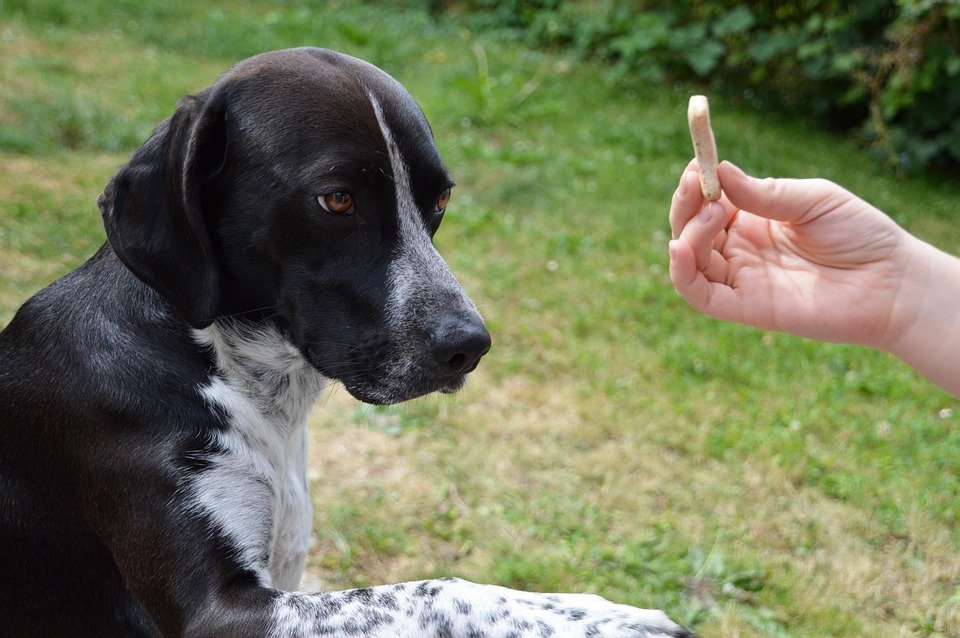
Welcoming a puppy into your home is an exciting and joyful experience, yet it also comes with significant responsibilities. Early training is crucial for your puppy’s development, ensuring they grow into well-adjusted and sociable adult dogs. This article provides an in-depth exploration of the essential aspects of puppy training for new owners, supported by evidence-based practices and expert recommendations.
Understanding Puppy Development
Puppies are in a critical developmental phase that can last until they are approximately 18 months old. During this time, they undergo several key stages, each presenting unique opportunities for learning and socialisation.
-
Neonatal Stage (0-2 weeks): Puppies are entirely dependent on their mother for care and warmth. They begin to develop their senses during this time but are not ready for training.
-
Transition Stage (2-4 weeks): Puppies start to open their eyes and ears. Early interactions with their mother and littermates help them learn bite inhibition and social cues.
-
Socialisation Period (3-12 weeks): This is the most critical period for socialisation. Exposing puppies to various environments, people, and other animals during this time can help prevent behavioural issues later in life.
-
Juvenile Stage (3-6 months): Puppies begin to exhibit more independence and can start formal training. This is also when they may test boundaries more frequently.
-
Adolescent Stage (6-18 months): Behavioural challenges, such as jumping, chewing, and selective hearing, may emerge. Consistent training and reinforcement are essential during this period.
Understanding these developmental stages is essential for new owners as it guides the timing and methods of training.
Essential Training Techniques for New Owners
1. Positive Reinforcement
Positive reinforcement is a training method that focuses on rewarding desired behaviours rather than punishing unwanted ones. This approach is supported by extensive research, including studies by the American Veterinary Society of Animal Behavior, which advocate for reward-based training due to its effectiveness and ethical considerations.
How to Implement Positive Reinforcement:
- Rewards: Use treats, praise, or playtime as rewards for good behaviour.
- Timing: Deliver rewards immediately after the desired behaviour to create a clear association.
- Consistency: Be consistent with rewards to reinforce learning.
2. Socialisation
Socialisation involves exposing your puppy to a variety of experiences, people, and other animals. This process helps prevent behavioural issues such as fear or aggression later in life.
Socialisation Tips:
- Variety: Introduce your puppy to different environments, sounds, and surfaces.
- Controlled Experiences: Arrange playdates with vaccinated, friendly dogs.
- Gradual Exposure: Start slow, allowing your puppy to explore new experiences at their own pace.
3. Basic Commands
Teaching basic commands such as “sit,” “stay,” “come,” and “down” is foundational for good behaviour and safety. These commands help establish communication between you and your puppy.
Tips for Teaching Commands:
- Start with “Sit”: This is often the easiest command to teach. Use a treat to guide your puppy into a sitting position, then reward them.
- Short Sessions: Keep training sessions brief (5-10 minutes) to maintain your puppy’s attention.
- Practice: Regular practice in different environments helps reinforce learning.
4. Crate Training
Crate training is an effective method for house training and providing a safe space for your puppy. A crate can serve as a den-like environment where your puppy feels secure.
Crate Training Steps:
- Introduce the Crate: Allow your puppy to explore the crate voluntarily, using treats to create positive associations.
- Gradual Increase of Time: Start with short periods in the crate and gradually extend the duration.
- Never Use as Punishment: The crate should be a safe space, not a place for punishment.
5. Addressing Common Behavioural Issues
New puppies often exhibit common behavioural problems, such as chewing, barking, and jumping. Addressing these issues early can prevent them from becoming ingrained habits.
Strategies for Common Issues:
- Chewing: Provide appropriate chew toys and redirect your puppy when they chew on inappropriate items.
- Barking: Identify the cause of barking (e.g., boredom, fear) and address it through training or environmental changes.
- Jumping Up: Teach an alternative behaviour, such as sitting, and reward your puppy for staying grounded.
Professional Advice for New Owners
Consult a Professional Trainer
While many training techniques can be implemented at home, consulting a professional dog trainer can provide personalised guidance tailored to your puppy’s specific needs. Look for trainers certified by reputable organisations, such as the Association of Professional Dog Trainers (APDT) or the International Association of Animal Behavior Consultants (IAABC).
Be Patient and Consistent
Training takes time, and each puppy learns at their own pace. Patience and consistency are crucial in helping your puppy grasp new concepts. Celebrate small victories, and remember that setbacks can occur.
Focus on Bonding
Training is as much about building a relationship with your puppy as it is about teaching commands. Spend time engaging in positive interactions through play and training exercises to strengthen your bond.
Use Technology Wisely
Consider using technology, such as training apps or online courses, to supplement your training efforts. However, ensure that any resources you use are evidence-based and align with positive reinforcement methods.
Frequently Asked Questions (FAQs)
1. When should I start training my puppy?
You can begin basic training as soon as you bring your puppy home, ideally around 8 weeks old. Early socialisation and exposure to various experiences should also start during this period.
2. How long should training sessions be?
Training sessions should be short and engaging, lasting about 5-10 minutes. Puppies have limited attention spans, so frequent, short sessions are more effective than longer ones.
3. Is it too late to train my puppy if they are older?
While early training is ideal, it is never too late to train a dog. Older puppies and adult dogs can learn new behaviours and commands, although the process may take longer.
4. What if my puppy is fearful or anxious?
If your puppy exhibits fear or anxiety, consult a professional trainer or animal behaviourist. They can provide strategies to help your puppy cope with their fears in a safe and supportive manner.
5. How can I prevent unwanted behaviours?
Prevent unwanted behaviours by providing plenty of physical exercise and mental stimulation. Redirect your puppy’s energy towards appropriate activities, such as training or interactive toys.
Conclusion
Puppy training is an essential part of responsible dog ownership that lays the foundation for a well-behaved and happy adult dog. By employing positive reinforcement techniques, focusing on socialisation, and addressing common behavioural issues, new owners can effectively guide their puppies through this crucial developmental phase. Remember, training is a journey that requires patience, consistency, and a strong bond between you and your puppy. As you embark on this journey, seek professional advice when needed, and enjoy the rewarding experience of raising a well-mannered companion.