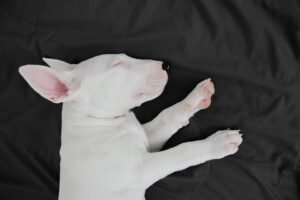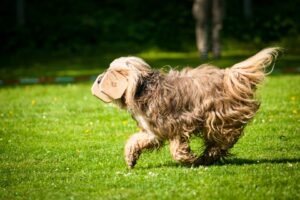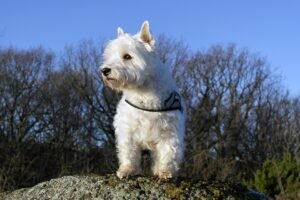
For many people, the prospect of owning a dog can be overshadowed by allergies. Allergies to pet dander, saliva, and urine can provoke uncomfortable symptoms, making it challenging to coexist with our furry companions. However, for those who suffer from such sensitivities, there are hypoallergenic dog breeds that can provide the joy of companionship without triggering allergy symptoms. This article explores the best hypoallergenic dog breeds, providing essential information for dog owners, first-time pet parents, breeders, and dog lovers.
Understanding Hypoallergenic Dogs
The term “hypoallergenic” refers to animals that are less likely to provoke allergic reactions in sensitive individuals. It is important to clarify that no dog is completely hypoallergenic; however, some breeds produce fewer allergens than others. This can be attributed to lower levels of shedding and reduced secretion of proteins that cause allergic reactions.
How Allergies Work
Dog allergies are primarily caused by proteins found in dog saliva, skin, and urine. When a dog grooms itself, saliva is transferred to the skin and fur, which can then flake off into the environment. These proteins can remain airborne or settle on surfaces, contributing to allergic reactions in sensitive individuals. Understanding the source of these allergens can help in choosing the right breed.
Factors Influencing Allergies
While dog breed is a significant factor, individual responses to allergens can vary widely. Some people may react more severely to specific breeds, while others may find certain dogs more tolerable. It’s also worth noting that factors such as the dog’s size, coat type, and grooming needs can influence allergy symptoms.
The Best Hypoallergenic Dog Breeds
Here are some of the most popular hypoallergenic dog breeds that may suit allergy sufferers:
1. Poodle
Description: Poodles come in three sizes—standard, miniature, and toy—and are known for their curly, non-shedding coat. This breed is intelligent, highly trainable, and has a friendly disposition.
Professional Advice: Regular grooming is essential to maintain the Poodle’s coat. A professional grooming session every 4-6 weeks is recommended to prevent matting.
2. Bichon Frise
Description: The Bichon Frise is a small breed with a soft, curly coat that doesn’t shed much. These dogs are affectionate, playful, and known for their cheerful temperament.
Professional Advice: Daily brushing and regular grooming will help manage their coat and reduce potential allergens in the home.
3. Maltese
Description: The Maltese is a toy breed with a long, silky coat that requires regular grooming. These dogs are known for their gentle and affectionate nature.
Professional Advice: To minimize allergens, consider keeping the Maltese’s coat trimmed and maintained. Regular baths can also help control dander.
4. Schnauzer
Description: Available in miniature, standard, and giant sizes, Schnauzers possess a wiry coat that sheds minimally. They are known for their loyalty and protective instincts.
Professional Advice: Regular grooming and clipping are vital to keep their coat in good condition and to control allergens.
5. Portuguese Water Dog
Description: This medium-sized breed has a dense, curly coat that is water-resistant and sheds minimally. Portuguese Water Dogs are energetic, intelligent, and excellent family companions.
Professional Advice: Frequent grooming is necessary to prevent matting and to manage allergens effectively.
6. Soft Coated Wheaten Terrier
Description: With their silky, soft coat, the Soft Coated Wheaten Terrier is a medium-sized dog known for its friendly and outgoing personality.
Professional Advice: Regular grooming is essential to keep their coat healthy and to reduce dander levels in the home.
7. Lagotto Romagnolo
Description: This breed has a dense, curly coat and is known for its affectionate nature and intelligence. Lagotto Romagnolos are also known to be great family pets.
Professional Advice: Regular grooming and trimming are needed to keep their coat manageable and to control allergens.
8. Basenji
Description: Known as the “barkless dog,” the Basenji has a short coat that sheds minimally. They are active, intelligent, and independent dogs.
Professional Advice: While they require less grooming than other breeds, regular brushing can help control dander.
Tips for Managing Allergies Around Dogs
While choosing a hypoallergenic breed is an important step, there are additional measures that can be taken to minimize allergy symptoms:
- Regular Cleaning: Frequently vacuum carpets and upholstery, and use air purifiers to reduce airborne allergens.
- Bathing: Regularly bathe and groom your dog to reduce dander and saliva in the home. Consult with your veterinarian about the best bathing schedule for your breed.
- Designated Areas: Create pet-free zones in your home, particularly in bedrooms, to minimize exposure.
- Hand Washing: Wash your hands after handling your dog to prevent transferring allergens to your face and eyes.
- Consultation: Speak with an allergist for tailored advice and potential treatment options, such as antihistamines or allergy shots.
Frequently Asked Questions (FAQs)
1. Are hypoallergenic dogs truly allergy-free?
No dog is completely hypoallergenic. Hypoallergenic breeds tend to produce fewer allergens, making them more suitable for individuals with allergies.
2. How do I know if I am allergic to dogs?
Common symptoms of dog allergies include sneezing, runny or stuffy nose, itchy eyes, and skin rashes. Consult with a healthcare provider for proper testing and diagnosis.
3. Can I adopt a hypoallergenic dog if I have severe allergies?
If you have severe allergies, it is advisable to spend time with a breed before adopting to see how you react. Consulting with an allergist can also provide valuable guidance.
4. What grooming practices can help reduce allergens?
Regular grooming, including brushing and bathing, can significantly reduce dander and saliva in the home. It’s advisable to consult a professional groomer for specific breed recommendations.
5. Are there any other strategies to manage dog allergies?
In addition to grooming, consider using air purifiers, regularly cleaning your home, and creating pet-free zones to help manage allergens.
Conclusion
Owning a dog can be a rewarding experience, even for individuals with allergies. By choosing hypoallergenic breeds and implementing effective management strategies, it is possible to enjoy the companionship of a furry friend without the sneezes. Always consult with a veterinarian or an allergist before making a decision, and consider your lifestyle and living situation to ensure a harmonious relationship with your new companion.