
Introduction
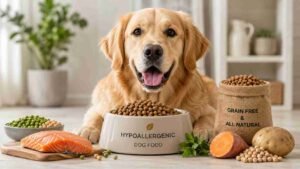
Puppyhood is a crucial developmental stage for dogs, not only shaping their behaviour and social skills but also laying the foundation for their long-term physical and mental health. Proper nutrition during this formative period is essential, as it influences growth rates, immune function, and overall vitality. Yet, with an overwhelming array of dietary options available, many pet owners find themselves confused about how to best nourish their new companions. This article aims to demystify puppy nutrition, providing evidence-based insights and practical recommendations for creating a balanced diet that supports optimal health.
Understanding Puppy Nutrition
The Importance of Nutritional Balance
Puppies have unique nutritional requirements that differ significantly from adult dogs. They require higher levels of protein, fat, vitamins, and minerals to support their rapid growth and development. A balanced diet for puppies should include:
- Proteins: Essential for growth and tissue repair. High-quality animal-based protein sources, such as chicken, beef, or fish, are ideal.
- Fats: Important for energy and the absorption of fat-soluble vitamins (A, D, E, and K). Healthy fats from sources like fish oil can also support brain development and skin health.
- Carbohydrates: While not strictly essential, carbohydrates provide a readily available energy source. Complex carbohydrates, such as whole grains and vegetables, are preferable as they are digested slowly, providing sustained energy.
- Vitamins and Minerals: Key for various bodily functions, including bone development and immune health. Calcium and phosphorus are particularly important for skeletal growth.
Life Stage Considerations
Puppies undergo rapid changes in their nutritional needs as they grow. From weaning to adulthood, their diet should be adjusted to meet their specific growth stage:
- Weaning (3-6 weeks): Puppies transition from their mother’s milk to solid food. A high-quality puppy food that is easily digestible is recommended.
- Growth Phase (6 weeks – 6 months): During this time, puppies require a diet rich in calories and nutrients to support their exponential growth. Feeding multiple small meals throughout the day can help ensure they receive adequate nutrition.
- Adolescent Phase (6 months – 1 year): Nutritional needs begin to stabilise, but it is still important to provide a diet formulated for puppies to prevent growth-related disorders.
Choosing the Right Puppy Food
Types of Puppy Food
When selecting puppy food, owners can choose between dry kibble, wet canned food, or a raw diet. Each type has its pros and cons:
-
Dry Kibble: Often more affordable and convenient, dry food can help maintain dental health due to its crunchy texture. Look for brands that specify “complete and balanced” on the label, indicating that they meet the nutritional standards set by regulatory authorities.
-
Wet Canned Food: Higher in moisture content, wet food can be beneficial for hydration and is often more palatable for picky eaters. However, it can be more expensive and may not be as effective for dental health.
-
Raw Diet: Some owners opt for a raw or “BARF” (Biologically Appropriate Raw Food) diet, believing it mimics a dog’s ancestral diet. While raw feeding can be beneficial when done correctly, it requires careful planning to ensure a balanced intake of nutrients and poses a risk of bacterial contamination.
Reading Labels
Understanding pet food labels is crucial for making informed choices. Key components to look for include:
- Guaranteed Analysis: Provides information on the minimum percentages of crude protein and fat, as well as the maximum percentages of crude fibre and moisture.
- Ingredients List: Ingredients are listed in descending order by weight. Look for high-quality protein sources as the first ingredient and avoid foods with excessive fillers like corn or soy.
- AAFCO Statement: The Association of American Feed Control Officials (AAFCO) provides guidelines for pet food. Look for a statement indicating that the food meets AAFCO’s standards for growth and reproduction.
Professional Advice for Optimal Puppy Nutrition
Consult with a Veterinarian
Before making significant changes to a puppy’s diet or introducing new foods, it is advisable to consult with a veterinarian. They can provide insights based on the puppy’s breed, size, and specific health needs. Regular check-ups can also help monitor growth and detect any nutritional deficiencies early on.
Transitioning Foods
When changing a puppy’s diet, it is essential to do so gradually to prevent gastrointestinal upset. A typical transition period lasts about a week:
- Start by mixing 25% of the new food with 75% of the old food for the first couple of days.
- Gradually increase the proportion of new food to 50% by mid-week.
- Continue to increase the new food to 75% by the end of the week, ultimately switching to 100% new food.
Avoiding Common Pitfalls
-
Overfeeding: It can be tempting to give puppies extra food, but overfeeding can lead to obesity and associated health problems. Follow feeding guidelines on the food package and adjust based on the puppy’s growth and activity level.
-
Human Food: While some human foods are safe for dogs, many can be toxic (e.g., chocolate, grapes, onions). Avoid feeding table scraps and stick to a balanced dog diet.
-
Treats: Treats can be a valuable training tool but should not exceed 10% of a puppy’s daily caloric intake. Opt for healthy, low-calorie options.
FAQs
1. How often should I feed my puppy?
Puppies typically require three to four meals per day until they are about six months old. After that, you can reduce the frequency to two meals a day.
2. Can I feed my puppy adult dog food?
It is not recommended to feed puppies adult dog food as it does not provide the necessary nutrients for their growth and development. Stick to food specifically formulated for puppies.
3. What signs indicate my puppy is not getting enough nutrition?
Signs of inadequate nutrition may include poor growth, dull coat, lethargy, and developmental issues. If you notice any concerning symptoms, consult your veterinarian.
4. Is it safe to give my puppy supplements?
While some puppies may benefit from supplements, especially if they have specific health issues, it is crucial to consult your veterinarian before introducing any supplements to ensure they are necessary and safe.
5. How can I tell if I am overfeeding my puppy?
Monitor your puppy’s body condition score, which assesses fat coverage and overall body shape. A puppy should have a visible waist and ribs that can be felt with light pressure. Consult your veterinarian for guidance on healthy weight management.
Conclusion
Puppy nutrition is not merely a matter of choosing the right food; it is a comprehensive approach that considers a puppy’s unique needs throughout their growth stages. By understanding the principles of balanced nutrition and making informed choices, pet owners can set their puppies on a path to a healthy and vibrant life. Regular veterinary consultations, close monitoring of growth, and adjusting diets as necessary will further ensure that your puppy thrives during this critical developmental period.