
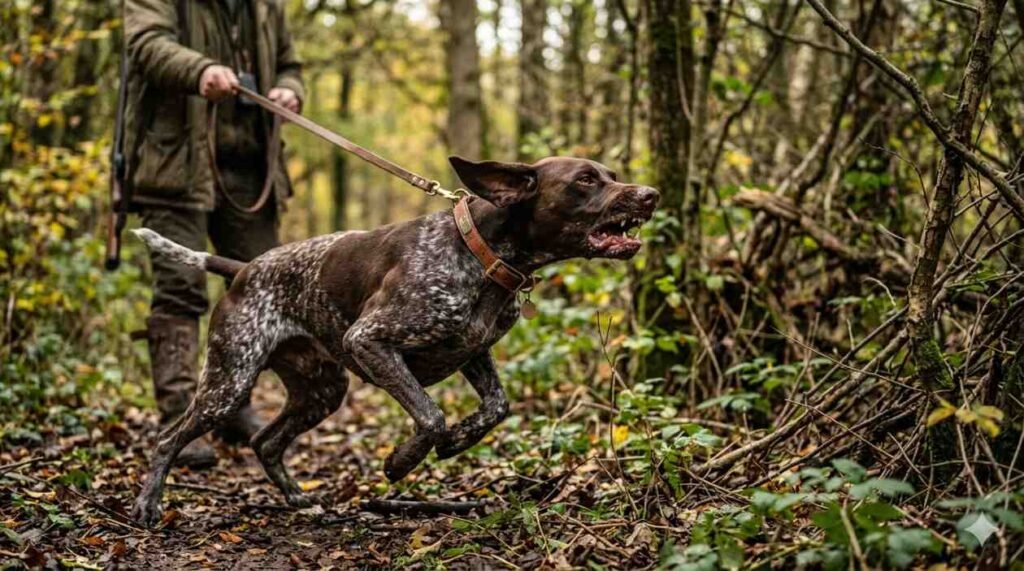
Dog training is not simply about teaching commands; it is an essential aspect of responsible dog ownership that fosters a harmonious relationship between you and your canine companion. Understanding canine behavior is crucial for addressing your dog’s needs, ensuring their well-being, and enhancing their quality of life. This article provides an in-depth exploration of dog training and behavior, offering valuable insights for dog owners, first-time pet parents, and trainers alike.
Understanding Canine Behavior
Natural Instincts and Communication
Dogs are descendants of wolves, and their behavior is largely influenced by their natural instincts. Understanding these instincts can help you interpret your dog’s actions and reactions. Key instincts include:
- Social Structure: Dogs are pack animals and thrive on social interaction, both with humans and other dogs.
- Territorial Behavior: Dogs may exhibit protective behaviors concerning their home and family.
- Prey Drive: Some breeds have a strong instinct to chase moving objects, which can lead to undesirable behaviors if not managed.
Dogs communicate primarily through body language, vocalizations, and facial expressions. Understanding these communication methods is vital for effective training and building a trusting relationship.
How Dogs Learn and Respond to Stimuli
Dogs learn through a combination of reinforcement and conditioning. Key learning principles include:
- Classical Conditioning: Associating a neutral stimulus with a positive or negative experience (e.g., the sound of a clicker followed by a treat).
- Operant Conditioning: Learning through the consequences of behavior (reinforcement increases behavior, while punishment decreases it).
Awareness of how dogs learn helps trainers apply effective techniques tailored to their dog’s learning style.
Importance of Training in Dogs
Mental Stimulation
Training provides essential mental stimulation, preventing boredom and associated behavioral issues. Engaging your dog in training exercises can improve their cognitive abilities and enhance your bond.
Safety and Socialization Benefits
Proper training ensures your dog can respond appropriately to commands, enhancing their safety and allowing for more enjoyable outings. Socialization with other dogs and people is crucial for preventing fear-based behaviors and aggression.
Basic Dog Training Foundations
Positive Reinforcement Principles
Positive reinforcement emphasizes rewarding desired behaviors to encourage their repetition. This method is humane, effective, and strengthens the bond between dog and owner. Types of rewards can include:
- Treats
- Praise
- Playtime
Consistency and Timing
Consistency in commands and timing of rewards are critical. Ensure everyone in the household uses the same cues and rewards, and provide immediate reinforcement to help your dog make the connection between behavior and reward.
Reward-Based Training Methods
Reward-based training techniques are proven to be effective and humane. Common methods include:
- Clicker training
- Treat-based training
- Praise and play rewards
Essential Commands Every Dog Should Learn
Teaching your dog essential commands can significantly improve their behavior and safety. Start with these foundational commands:
- Sit: A basic command that helps establish control.
- Stay: Teaches your dog to remain in place until released.
- Come: Crucial for recall; helps keep your dog safe.
- Down: Encourages relaxation and can prevent jumping.
- Leave it: Essential for preventing unwanted behaviors, such as picking up harmful objects.
Training Tips for Beginners
- Start Early: Begin training as soon as you bring your dog home, ideally during the critical socialization period.
- Keep Sessions Short: Limit training sessions to 5-10 minutes to maintain focus and engagement.
- Use High-Value Rewards: Find what motivates your dog and use it as a reward.
Puppy Training vs Adult Dog Training
Critical Socialization Periods
Puppies undergo critical socialization periods between 3 and 14 weeks old. Early exposure to various environments, sounds, and people is essential for developing a well-adjusted adult dog.
Adjusting Techniques by Age
Training techniques may need to be adjusted based on your dog’s age:
- Puppies: Focus on socialization, basic commands, and positive experiences.
- Adult Dogs: Reinforce basic commands, address specific behavior issues, and maintain mental stimulation.
Common Dog Behavior Issues
Excessive Barking
Barking can stem from boredom, anxiety, or alerting you to sounds. Identifying the cause is essential for addressing it effectively. Consider:
- Providing mental stimulation
- Teaching the “quiet” command
- Identifying and removing triggers
Chewing and Destructive Behavior
Destructive chewing often indicates boredom or anxiety. Solutions include:
- Providing appropriate chew toys
- Increasing exercise and mental stimulation
- Training to redirect attention
Jumping on People
Jumping can be a sign of excitement or a way to seek attention. To curb this behavior:
- Teach an incompatible behavior, such as “sit.”
- Ignore the dog when they jump and reward them when they are calm.
Pulling on Leash
Leash pulling can be managed through:
- Training loose leash walking techniques
- Using equipment like a front-clip harness
- Practicing consistency in commands
Separation Anxiety
Signs of separation anxiety may include excessive barking, chewing, or destructive behavior when left alone. To help:
- Gradually acclimate your dog to being alone
- Provide engaging toys
- Consider professional guidance if necessary
Managing and Correcting Behavior Positively
Redirection Techniques
Redirect negative behaviors by providing alternative activities. For example, if your dog is chewing on furniture, redirect them to a designated chew toy.
Environmental Management
Prevent access to areas where unwanted behaviors occur. Using baby gates or crates can help manage your dog’s environment and reduce the opportunity for misbehavior.
Avoiding Punishment-Based Training
Punishment can lead to fear and anxiety, which exacerbates behavior issues. Focus on teaching and reinforcing positive behaviors instead.
Socialization and Environmental Exposure
People, Pets, and New Environments
Expose your dog to various people, pets, and environments to reduce fear and promote confidence. Controlled introductions can help your dog learn to interact positively.
Fear Prevention Strategies
To prevent fear-based behaviors:
- Introduce new experiences gradually
- Use treats and praise to create positive associations
- Monitor your dog’s body language for signs of stress
When to Seek Professional Help
Signs You May Need a Trainer or Behaviorist
Consider seeking professional help if your dog exhibits:
- Aggressive behavior
- Severe anxiety or fear
- Persistent behavioral issues despite training efforts
Importance of Veterinary Guidance
Consult your veterinarian to rule out any medical issues contributing to behavioral problems. They can also recommend qualified trainers or behaviorists.
Myths vs Facts About Dog Training
Dominance Theory
The idea that dogs are trying to dominate their owners is a myth. Modern training emphasizes cooperation and communication rather than dominance.
“Old Dogs Can’t Learn” Myth
Contrary to this belief, older dogs can learn new behaviors and commands. Patience and consistent training are key.
Conclusion
Understanding dog training and canine behavior is vital for nurturing a positive relationship with your pet. By employing humane, evidence-based training methods, you can address behavior issues, enhance your dog’s quality of life, and ensure a safe, enjoyable environment for both of you. Remember, training is a lifelong commitment that fosters a deeper bond with your canine companion. Always consult with a professional trainer or veterinarian when in doubt about your dog’s behavior or training needs.
FAQ Section
What is the best age to start dog training?
Starting training as early as possible, ideally during the critical socialization window (3-14 weeks), is beneficial.
How long does it take to train a dog?
Training duration varies by dog and complexity of commands, but consistency and patience are vital.
Is positive reinforcement effective?
Yes, positive reinforcement is a scientifically supported method that encourages desired behaviors without fear.
How do I stop my dog from barking?
Identify triggers, provide mental stimulation, and teach the “quiet” command to manage excessive barking.
Can older dogs be trained?
Absolutely! Older dogs can learn new commands and behaviors with patience and consistent training.
This article is designed to be a comprehensive resource for dog owners and trainers, emphasizing the importance of evidence-based training methods while promoting a positive, humane approach to canine behavior and training.