
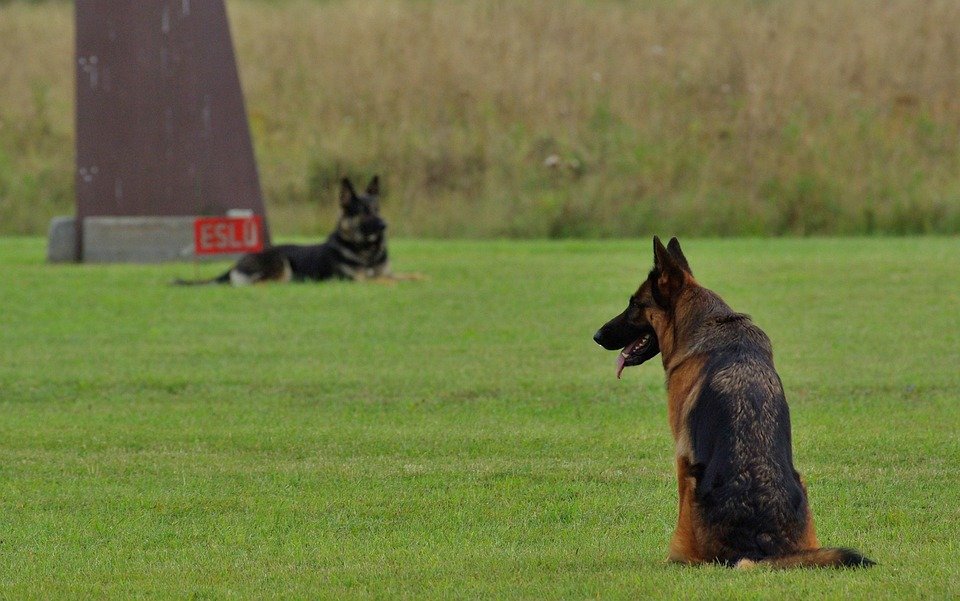
Training your dog is not merely about teaching commands; it is an essential aspect of understanding canine behavior, ensuring a harmonious life with your furry companion. Whether you are a first-time pet owner or a seasoned trainer, grasping the intricacies of dog behavior and training can significantly enhance your relationship with your dog.
Understanding Canine Behavior
Natural Instincts and Communication
Dogs are descendants of wolves and possess inherent instincts that guide their behavior. Understanding these instincts can help you foster better communication with your pet. Key aspects include:
- Pack Mentality: Dogs are social animals that thrive in packs, which influences their interaction with humans and other animals.
- Body Language: Dogs communicate through body posture, facial expressions, and vocalizations. Recognizing these signals can help you better understand your dog’s feelings and needs.
How Dogs Learn and Respond to Stimuli
Dogs learn through experiences and can be conditioned to respond to various stimuli. This learning process can be categorized into:
- Classical Conditioning: Associating a neutral stimulus with a significant one (e.g., a bell ringing before feeding).
- Operant Conditioning: Learning through consequences, where behaviors are reinforced or discouraged based on rewards or punishments.
Importance of Training in Dogs
Training is crucial for various reasons, including:
Mental Stimulation
A well-trained dog enjoys mental challenges that prevent boredom and destructive behaviors. Engaging your dog in training exercises promotes cognitive development.
Safety and Socialization Benefits
Training fosters good behavior in various environments, enhancing safety for your dog and others. Proper socialization helps dogs interact positively with people, pets, and different environments.
Basic Dog Training Foundations
Positive Reinforcement Principles
Positive reinforcement is a cornerstone of effective dog training. This method involves rewarding desired behaviors, making it more likely that those behaviors will be repeated. Key components include:
- Treats: Use high-value treats that your dog loves.
- Praise: Verbal encouragement and physical affection can reinforce good behavior.
- Play: Incorporating playtime as a reward can be a powerful motivator.
Consistency and Timing
- Consistency: Establish clear rules and stick to them. Ensure all family members follow the same training protocols.
- Timing: Reward your dog immediately after the desired behavior to create a strong association.
Reward-Based Training Methods
Consider these methods to enhance your training:
- Use a clicker or verbal marker to indicate the desired behavior.
- Gradually increase the difficulty of tasks as your dog masters each command.
Essential Commands Every Dog Should Learn
Every dog should be trained to understand basic commands, which can significantly improve their behavior:
- Sit: A foundational command that establishes control.
- Stay: Helps keep your dog in one place.
- Come: Vital for safety, particularly in outdoor settings.
- Down: Encourages calm behavior.
- Leave it: Prevents your dog from picking up harmful objects.
Training Tips for Beginners
- Start in a quiet environment to minimize distractions.
- Keep training sessions short (5-10 minutes) to maintain your dog’s focus.
- End sessions on a positive note to encourage enthusiasm for future training.
Puppy Training vs Adult Dog Training
Critical Socialization Periods
Puppies undergo critical socialization phases between 3 and 14 weeks. During this time, exposing them to various experiences helps them develop into well-adjusted adults.
Adjusting Techniques by Age
- Puppies: Use play-based training methods and focus on socialization.
- Adult Dogs: Employ patience and consistency, as older dogs may take longer to adjust to new commands.
Common Dog Behavior Issues
Identifying and addressing behavioral problems early is crucial for a well-adjusted pet. Common issues include:
Excessive Barking
Dogs may bark excessively due to boredom, anxiety, or as a means of communication. Identifying the triggers can help manage this behavior.
Chewing and Destructive Behavior
This often stems from boredom or teething in puppies. Providing appropriate chew toys and engaging in regular exercise can mitigate this issue.
Jumping on People
Jumping is often a dog’s way of expressing excitement. Training your dog to greet people calmly can help reduce this behavior.
Pulling on Leash
Leash pulling can be frustrating for owners. Teaching your dog to walk calmly on a leash is essential for enjoyable walks.
Separation Anxiety
Signs of separation anxiety can include destructive behavior and excessive barking when left alone. Gradual desensitization to being alone can help alleviate this condition.
Managing and Correcting Behavior Positively
Redirection Techniques
When undesirable behaviors occur, redirect your dog’s attention to a more appropriate activity or toy.
Environmental Management
Adjust your dog’s environment to prevent access to potential triggers of unwanted behavior, such as removing tempting items or using baby gates.
Avoiding Punishment-Based Training
Fear and anxiety can result from punishment-based methods. Instead, focus on understanding and redirecting behavior positively.
Socialization and Environmental Exposure
People, Pets, and New Environments
Expose your dog to various people, pets, and environments to promote adaptability and reduce fear-based reactions.
Fear Prevention Strategies
Introduce new experiences gradually and reward calm behavior to foster confidence.
When to Seek Professional Help
Signs You May Need a Trainer or Behaviorist
- Persistent behavioral issues despite your best efforts.
- Signs of fear or aggression that could pose safety risks.
Importance of Veterinary Guidance
Consulting your veterinarian can help rule out underlying medical issues contributing to behavioral problems.
Myths vs Facts About Dog Training
Dominance Theory
The outdated dominance theory suggests dogs seek to dominate their owners. Modern understanding emphasizes the importance of positive relationships and cooperation.
“Old Dogs Can’t Learn” Myth
Contrary to the belief that older dogs cannot learn new tricks, dogs of any age can be trained with patience and the right techniques.
Conclusion
Understanding dog training and canine behavior is essential for fostering a positive relationship between you and your dog. By employing humane, science-based training methods, you can not only teach your dog essential commands but also enhance their overall well-being. Remember, patience and consistency are key components in your training journey.
FAQ Section
What is the best age to start dog training?
Starting training as early as possible, ideally during the critical socialization period between 3 and 14 weeks, yields the best results.
How long does it take to train a dog?
Training duration varies by dog and complexity of commands, but consistent practice over weeks to months is typically required.
Is positive reinforcement effective?
Yes, positive reinforcement is a widely supported and effective method for encouraging desired behaviors in dogs.
How do I stop my dog from barking?
To manage excessive barking, identify triggers and use redirection techniques, such as teaching the “quiet” command.
Can older dogs be trained?
Absolutely! Older dogs can learn new behaviors and commands, although they may require more patience than younger dogs.
This article serves as a comprehensive resource for dog owners, trainers, and anyone interested in understanding canine behavior and effective training strategies. Remember, seeking professional guidance is always advisable when faced with challenging behaviors.