
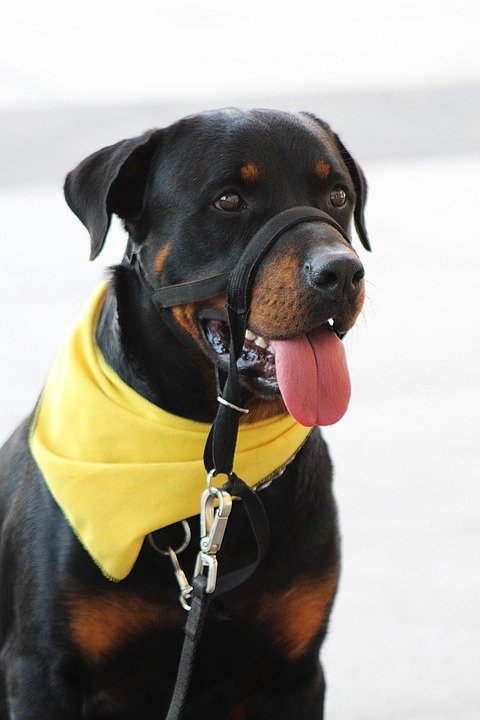
Training your dog is more than just teaching commands; it’s about fostering a positive relationship built on understanding and communication. By grasping the nuances of canine behavior, dog owners can ensure a harmonious coexistence with their furry companions. This article will explore effective dog training methods and provide insights into canine behavior, helping first-time pet parents and seasoned trainers alike.
Understanding Canine Behavior
Natural Instincts and Communication
Dogs have evolved alongside humans for thousands of years, and their behavior reflects a blend of instinct and learned experiences. Understanding these instincts is crucial for effective training:
- Pack mentality: Dogs are naturally social animals that thrive in groups.
- Body language: Dogs communicate primarily through body posture, facial expressions, and vocalizations.
- Play behavior: Play is essential for socialization and learning boundaries.
How Dogs Learn and Respond to Stimuli
Dogs learn through a variety of methods, with the most effective being through positive reinforcement. They respond to stimuli based on their experiences:
- Classical conditioning: Associating a neutral stimulus with a significant event (e.g., pairing a sound with food).
- Operant conditioning: Learning through consequences, where behaviors followed by rewards are more likely to be repeated.
Understanding these mechanisms allows trainers to tailor their approaches effectively.
Importance of Training in Dogs
Mental Stimulation
Training is not just about obedience; it provides essential mental stimulation. Engaging a dog’s mind through training can prevent boredom and reduce undesirable behaviors.
Safety and Socialization Benefits
Training ensures that dogs can navigate their environments safely. Socialization is vital, helping dogs become well-adjusted adults:
- Exposure to different people and pets: Reduces fear and aggression.
- Basic commands: Enhances safety in everyday situations.
Basic Dog Training Foundations
Positive Reinforcement Principles
Positive reinforcement is the cornerstone of effective dog training. Rewarding desirable behavior encourages dogs to repeat those behaviors.
Consistency and Timing
Consistency in commands and timing of rewards are critical for successful training. Dogs thrive on routine, and clear expectations lead to better understanding.
Reward-Based Training Methods
Using treats, praise, or toys as rewards can significantly enhance a dog’s willingness to learn:
- Delayed rewards can confuse dogs; immediate reinforcement is key.
- Variable rewards can maintain interest and motivation.
Essential Commands Every Dog Should Learn
Teaching fundamental commands creates a solid foundation for further training and enhances the bond between dog and owner:
- Sit: A basic command that establishes control.
- Stay: Teaches impulse control and patience.
- Come: Essential for safety and recall.
- Down: Promotes calmness and relaxation.
- Leave it: Prevents unwanted behaviors, particularly during walks.
Training Tips for Beginners
- Start with short sessions: Keep training sessions brief (5-10 minutes) to maintain engagement.
- Use high-value rewards: Find what motivates your dog, whether it’s treats, toys, or praise.
- Be patient: Learning takes time; celebrate small successes.
Puppy Training vs Adult Dog Training
Critical Socialization Periods
Puppies undergo crucial socialization phases from 3 to 14 weeks. Exposing them to various experiences during this time is vital for developing a well-adjusted adult dog.
Adjusting Techniques by Age
Training approaches should vary based on the dog’s age:
- Puppies: Focus on socialization and basic commands.
- Adult dogs: Address any ingrained behaviors and reinforce training.
Common Dog Behavior Issues
Excessive Barking
Barking can signal boredom, anxiety, or a need for attention. Identify the cause to address the behavior appropriately.
Chewing and Destructive Behavior
Puppies often chew to explore their environment. Providing appropriate chew toys and redirecting them can mitigate destructive tendencies.
Jumping on People
Jumping is often a sign of excitement. Teach an alternate behavior, such as sitting when greeting people.
Pulling on Leash
Leash pulling can be frustrating. Training techniques such as stopping when the dog pulls can encourage better leash manners.
Separation Anxiety
Separation anxiety can lead to destructive behaviors when dogs are left alone. Gradual desensitization can help alleviate these fears.
Managing and Correcting Behavior Positively
Redirection Techniques
Redirect undesirable behaviors to more appropriate actions. For example, if a dog is chewing furniture, offer a toy instead.
Environmental Management
Modify the environment to prevent unwanted behaviors. For instance, use baby gates to restrict access to certain areas.
Avoiding Punishment-Based Training
Punishment can lead to fear and anxiety, damaging the bond between owner and dog. Focus on teaching desired behaviors through positive methods instead.
Socialization and Environmental Exposure
People, Pets, and New Environments
Regular exposure to different environments, people, and other pets is crucial for socialization. This helps prevent fear-based reactions and promotes confidence.
Fear Prevention Strategies
Introduce new experiences gradually and positively, ensuring your dog feels safe and secure.
When to Seek Professional Help
Signs You May Need a Trainer or Behaviorist
If behavioral issues persist despite your best efforts, it may be time to consult a professional. Signs include:
- Aggression toward people or pets
- Severe anxiety or fear responses
- Inability to control barking or destructive behaviors
Importance of Veterinary Guidance
Consulting a veterinarian can help rule out medical issues that might contribute to behavioral problems. A collaborative approach between trainers and veterinarians ensures comprehensive care.
Myths vs Facts About Dog Training
Dominance Theory
The outdated dominance theory suggests that dogs vie for control over their owners. Modern understanding emphasizes cooperation and relationship-building.
“Old Dogs Can’t Learn” Myth
Contrary to popular belief, older dogs can learn new behaviors. Patience and appropriate techniques can lead to successful training at any age.
Conclusion
Understanding dog training and behavior is essential for fostering a happy, healthy relationship with your canine companion. By employing positive reinforcement, maintaining consistency, and addressing behavioral issues with compassion, dog owners can create a nurturing environment for their pets. Always remember, seeking professional guidance when faced with challenges is a responsible step toward ensuring the well-being of both dog and owner.
FAQ Section
What is the best age to start dog training?
The best age to start training is during the critical socialization period, ideally between 3 to 14 weeks. However, training can begin at any age.
How long does it take to train a dog?
Training duration varies depending on the dog and the complexity of the behavior being taught. Basic commands can often be learned in a few weeks with consistent practice.
Is positive reinforcement effective?
Yes, positive reinforcement is widely regarded as the most effective and humane training method, encouraging desired behaviors through rewards.
How do I stop my dog from barking?
Identify the cause of the barking and address it through training, providing distractions or redirection to more appropriate behaviors.
Can older dogs be trained?
Absolutely! Older dogs can learn new commands and behaviors; it may require more patience, but it is entirely possible.
By understanding and implementing these principles of dog training and behavior, you can enhance the quality of life for your dog and strengthen your bond. For any specific concerns or needs, always consult with a qualified trainer or behaviorist to ensure the best outcomes for your canine companion.