
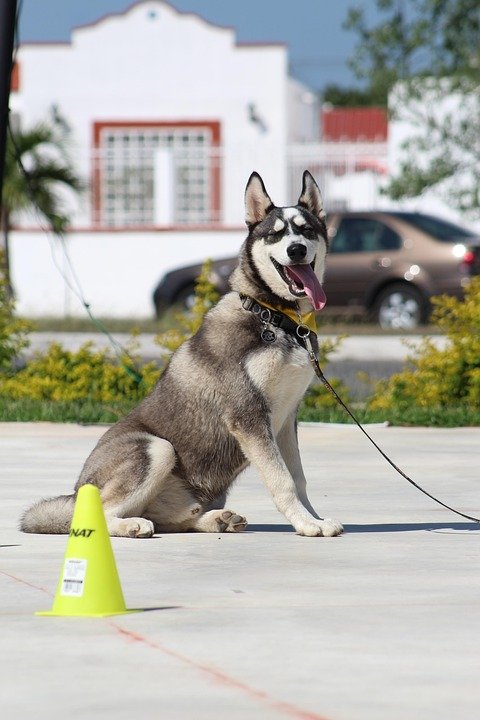
Training your dog is an essential aspect of responsible pet ownership. It not only fosters a strong bond between you and your canine companion but also helps ensure their safety and well-being. Understanding canine behavior is crucial for effective training, as it enables you to communicate clearly and compassionately with your dog. This article will explore the fundamentals of dog training and behavior, providing insights and strategies for dog owners, first-time pet parents, and trainers alike.
Understanding Canine Behavior
Natural Instincts and Communication
Dogs are descendants of wolves, which influences their behavior and instincts. Understanding these natural instincts can help you train them effectively. Key points include:
- Pack mentality: Dogs are social animals that thrive in groups. They have a natural hierarchy and look for guidance from their human companions.
- Body language and vocalizations: Dogs communicate through various signals, including barking, growling, tail positioning, and body posture. Observing these cues can help you understand their feelings and intentions.
How Dogs Learn and Respond to Stimuli
Dogs learn primarily through association and reinforcement. Familiarizing yourself with their learning processes is essential:
- Classical conditioning: Associating a neutral stimulus with a significant one (e.g., a bell ringing before feeding).
- Operant conditioning: Learning through consequences, where behaviors are reinforced or discouraged based on positive or negative feedback.
Importance of Training in Dogs
Mental Stimulation
Training a dog goes beyond obedience; it provides mental stimulation that is essential for their cognitive health. Engaging their brains can prevent boredom and promote a happier, healthier dog.
Safety and Socialization Benefits
Proper training enhances safety for both your dog and those around them. Additionally, socialization through training helps dogs feel more comfortable in various environments and with other people and pets.
Basic Dog Training Foundations
Positive Reinforcement Principles
Positive reinforcement is the cornerstone of effective dog training. This method involves rewarding desired behaviors to increase the likelihood of their recurrence. Rewards can include treats, praise, or playtime.
Consistency and Timing
Consistency in commands and timing when delivering rewards are crucial. Ensure everyone in your household uses the same commands and rewards to avoid confusing your dog.
Reward-Based Training Methods
Focus on reward-based training methods, which are scientifically supported and promote a trusting relationship between you and your dog. Avoid punishment-based techniques, which can lead to fear and aggression.
Essential Commands Every Dog Should Learn
Teaching your dog basic commands is vital for successful training. Essential commands include:
- Sit: A fundamental command that helps with impulse control.
- Stay: Keeps your dog in place until you give a release cue.
- Come: Encourages your dog to return to you, crucial for safety.
- Down: Helps calm your dog and is useful in various situations.
- Leave it: Teaches your dog to ignore distractions or potentially dangerous items.
Training Tips for Beginners
- Start in a quiet environment: Minimize distractions during initial training sessions.
- Keep sessions short and engaging: Aim for 5-10 minute sessions to maintain your dog’s focus.
- Use high-value treats: Choose enticing rewards to motivate your dog.
Puppy Training vs Adult Dog Training
Critical Socialization Periods
Puppies undergo crucial socialization periods between 3 and 14 weeks. During this time, expose them to various environments, people, and other animals to foster well-rounded behavior.
Adjusting Techniques by Age
Training methods may need to be adjusted based on your dog’s age. Puppies may require more patience and playfulness, while adult dogs may benefit from structured routines and specific commands.
Common Dog Behavior Issues
Excessive Barking
Excessive barking can stem from boredom, anxiety, or a lack of socialization. Identify triggers and address them through training and environmental management.
Chewing and Destructive Behavior
Chewing is a natural behavior for dogs, but destructive chewing can be problematic. Provide appropriate chew toys and redirect them to these items when they start chewing on furniture.
Jumping on People
Jumping is a common issue, often stemming from excitement. Teach your dog an alternative behavior, such as sitting, to greet people appropriately.
Pulling on Leash
Leash pulling can be frustrating. Use reward-based training to encourage walking beside you, rewarding your dog for staying close.
Separation Anxiety
Signs of separation anxiety include excessive barking, destructive behavior, and attempts to escape. Gradual desensitization to your departures can help alleviate this issue.
Managing and Correcting Behavior Positively
Redirection Techniques
When your dog displays unwanted behavior, redirect their attention to an appropriate activity. For example, if they are chewing on furniture, offer them a toy instead.
Environmental Management
Modify your dog’s environment to prevent unwanted behaviors. For instance, use baby gates to limit access to certain areas or remove tempting items.
Avoiding Punishment-Based Training
Avoid training methods that rely on fear or punishment, as these can lead to aggression and anxiety. Instead, focus on positive reinforcement and gentle corrections.
Socialization and Environmental Exposure
People, Pets, and New Environments
Regularly expose your dog to new people, pets, and environments to build their confidence and adaptability. This can help prevent fear-based behaviors and enhance social skills.
Fear Prevention Strategies
Use gradual exposure techniques to help your dog overcome fears. Pair new experiences with positive reinforcement to create positive associations.
When to Seek Professional Help
Signs You May Need a Trainer or Behaviorist
If you encounter persistent behavior issues or feel overwhelmed, it may be time to consult a professional dog trainer or behaviorist. Look for signs such as:
- Difficulty managing training at home
- Aggressive behavior towards people or other dogs
- Excessive fear or anxiety in various situations
Importance of Veterinary Guidance
Always consult your veterinarian if you suspect that your dog’s behavior may be linked to health issues. A veterinary behaviorist can provide specialized insights and recommendations.
Myths vs Facts About Dog Training
Dominance Theory
The dominance theory, which suggests that dogs need to be “dominated” by their owners, is rooted in outdated research. Modern training emphasizes positive relationships built on trust and mutual respect.
“Old Dogs Can’t Learn” Myth
It is a common misconception that older dogs cannot learn new tricks. In reality, dogs of all ages can benefit from training and mental stimulation.
Conclusion
Training and understanding canine behavior are essential components of responsible dog ownership. By employing positive reinforcement methods, being consistent, and focusing on socialization, you can foster a well-adjusted and happy dog. Remember to consult professionals when needed and always prioritize humane training practices. With patience and dedication, you can enjoy a fulfilling relationship with your furry companion.
FAQ Section
What is the best age to start dog training?
The best age to start training is as early as 8 weeks old, with a focus on socialization and basic commands.
How long does it take to train a dog?
Training duration varies; basic obedience can take a few weeks to several months, depending on the dog’s age and prior experience.
Is positive reinforcement effective?
Yes, research shows that positive reinforcement is one of the most effective and humane training methods.
How do I stop my dog from barking?
Identify triggers for barking and use redirection techniques, providing alternative behaviors to engage your dog.
Can older dogs be trained?
Absolutely! Older dogs can learn new behaviors and commands, often requiring patience and tailored techniques.
This article is designed to provide an authoritative and comprehensive overview of dog training and behavior while adhering to ethical and humane principles. For more information and tailored guidance, consider consulting a certified dog trainer or veterinary behaviorist.