
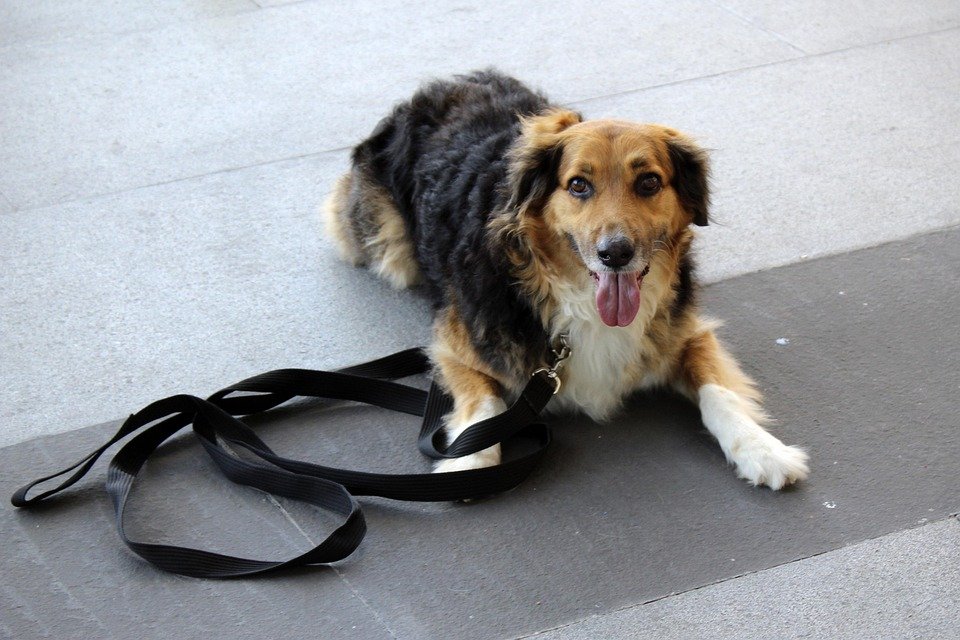
Dog training and understanding canine behavior are essential components of responsible pet ownership. Effective training not only strengthens the bond between dog and owner but also ensures a well-adjusted, happy canine companion. This guide will delve into the fundamental aspects of dog training, exploring behavior, learning processes, and effective training methods that promote positive outcomes for both dogs and their owners.
Understanding Canine Behavior
Natural Instincts and Communication
Dogs are descendants of wolves, and their behaviors are influenced by their natural instincts. Understanding these instincts is crucial for effective training and behavior management. Key aspects include:
- Pack Mentality: Dogs are social animals that thrive in group settings. They often look to their owners for leadership.
- Body Language: Dogs communicate through body language. Recognizing signs of stress, excitement, or fear can help you respond appropriately to your dog’s needs.
- Vocalizations: Barking, whining, and growling all convey different messages. Understanding these sounds can improve your communication with your dog.
How Dogs Learn and Respond to Stimuli
Dogs learn through a combination of experiences, observations, and training techniques. Important learning principles include:
- Conditioning: Classical conditioning (associating a neutral stimulus with a meaningful one) and operant conditioning (reinforcing behaviors) are foundational to understanding dog training.
- Social Learning: Dogs can learn by observing other dogs and humans, making it important to model desired behaviors.
Importance of Training in Dogs
Mental Stimulation
Training provides essential mental stimulation, preventing boredom and its associated behavioral issues. Engaging your dog in training sessions can:
- Enhance cognitive skills
- Improve problem-solving abilities
- Foster a sense of accomplishment
Safety and Socialization Benefits
Training is vital for ensuring your dog’s safety and promoting appropriate social interactions. Well-trained dogs are:
- Less likely to engage in dangerous behaviors
- More comfortable in various social settings
- Better equipped to handle encounters with people and other animals
Basic Dog Training Foundations
Positive Reinforcement Principles
Positive reinforcement is a scientifically supported method that encourages desired behaviors through rewards. Key points include:
- Rewards: Use treats, praise, or playtime to reinforce good behavior.
- Timing: Deliver rewards immediately after the desired behavior to create a clear connection.
Consistency and Timing
Consistency in commands and timing in rewards are critical for successful training. Owners should:
- Use the same commands for specific actions.
- Ensure that all family members apply the same training principles.
Reward-Based Training Methods
Reward-based training methods are effective and humane. Consider the following techniques:
- Clicker Training: Use a clicker to mark desired behaviors, followed by a reward.
- Target Training: Teach your dog to touch a target with their nose or paw, promoting engagement and focus.
Essential Commands Every Dog Should Learn
Training your dog to understand basic commands is vital for obedience and safety. Essential commands include:
- Sit: A foundational command that teaches patience.
- Stay: Promotes self-control and prevents unwanted movement.
- Come: Ensures your dog returns to you when called.
- Down: Encourages calmness and relaxation.
- Leave It: Prevents your dog from engaging with harmful or unwanted items.
Training Tips for Beginners
- Start with Short Sessions: Keep training sessions brief (5-10 minutes) to maintain your dog’s attention.
- End on a Positive Note: Conclude sessions with a successful command or trick, reinforcing a positive experience.
- Be Patient: Training is a gradual process that requires time and understanding.
Puppy Training vs. Adult Dog Training
Critical Socialization Periods
Puppies undergo critical socialization periods between 3 and 14 weeks of age. During this time, exposure to various environments, people, and other animals is crucial for developing a well-adjusted adult dog.
Adjusting Techniques by Age
- Puppy Training: Focus on socialization, basic commands, and play-based learning.
- Adult Dog Training: May require more patience, especially if the dog has ingrained habits or fears.
Common Dog Behavior Issues
Understanding and addressing common behavior issues is essential for a harmonious relationship. Common issues include:
- Excessive Barking: Can indicate boredom, anxiety, or the need for attention.
- Chewing and Destructive Behavior: Often a result of boredom or anxiety.
- Jumping on People: A common greeting behavior that can be modified through training.
- Pulling on Leash: Indicates a lack of leash training and can be managed with proper techniques.
- Separation Anxiety: May require gradual desensitization and training strategies.
Managing and Correcting Behavior Positively
Redirection Techniques
Redirect unwanted behaviors by offering alternative activities or toys. For example, if your dog is chewing furniture, provide an appropriate chew toy.
Environmental Management
Set up your dog’s environment to minimize temptation. For example, use baby gates to restrict access to certain areas of the house.
Avoiding Punishment-Based Training
Punishment-based training often leads to fear and anxiety. Instead, focus on positive reinforcement and humane methods to guide your dog’s behavior.
Socialization and Environmental Exposure
People, Pets, and New Environments
Introduce your dog to a variety of people, animals, and environments during their early life. This exposure helps prevent fear-based behavior and promotes confidence.
Fear Prevention Strategies
Utilize gradual exposure to new experiences, coupled with positive reinforcement, to foster a sense of security in your dog.
When to Seek Professional Help
Signs You May Need a Trainer or Behaviorist
If you’re struggling with training or behavioral issues, consider seeking professional help if you notice:
- Persistent behavioral problems despite training efforts
- Fearfulness or aggression that escalates
- Difficulty managing your dog in public settings
Importance of Veterinary Guidance
Consulting a veterinarian can rule out medical issues contributing to behavioral problems. They can also recommend certified trainers or behaviorists.
Myths vs. Facts About Dog Training
Dominance Theory
Many trainers have moved away from dominance theory, which suggests a hierarchical relationship. Instead, modern training emphasizes cooperation and understanding.
“Old Dogs Can’t Learn” Myth
Contrary to popular belief, older dogs can learn new behaviors and commands. Patience and consistent training techniques are key.
Conclusion: Building a Strong Bond Through Training
Effective dog training is about understanding canine behavior, using positive reinforcement, and fostering a loving relationship between dog and owner. With patience and commitment, any dog can learn to be a well-mannered companion. Always prioritize humane training methods, and consult professionals when necessary to ensure a safe and enriching experience for both you and your furry friend.
FAQs
What is the best age to start dog training?
The best age to start training is during the critical socialization period, which is typically between 3 and 14 weeks of age. Early exposure to various experiences is crucial.
How long does it take to train a dog?
The time it takes to train a dog varies by breed, age, and individual temperament. Basic commands can often be learned within a few weeks, while more complex behaviors may require several months.
Is positive reinforcement effective?
Yes, positive reinforcement is a highly effective training method supported by scientific research. It encourages desired behaviors without the use of fear or punishment.
How do I stop my dog from barking?
Identify the cause of the barking and redirect the behavior through training. Providing mental and physical stimulation can also help reduce excessive barking.
Can older dogs be trained?
Absolutely! Older dogs can learn new commands and behaviors. Training may take longer, but with patience and consistent practice, they can be successful.
This comprehensive guide aims to provide dog owners and trainers with the knowledge needed to foster positive behaviors and effective training methods. Remember that every dog is unique, and understanding their behavior is key to a successful training experience.