
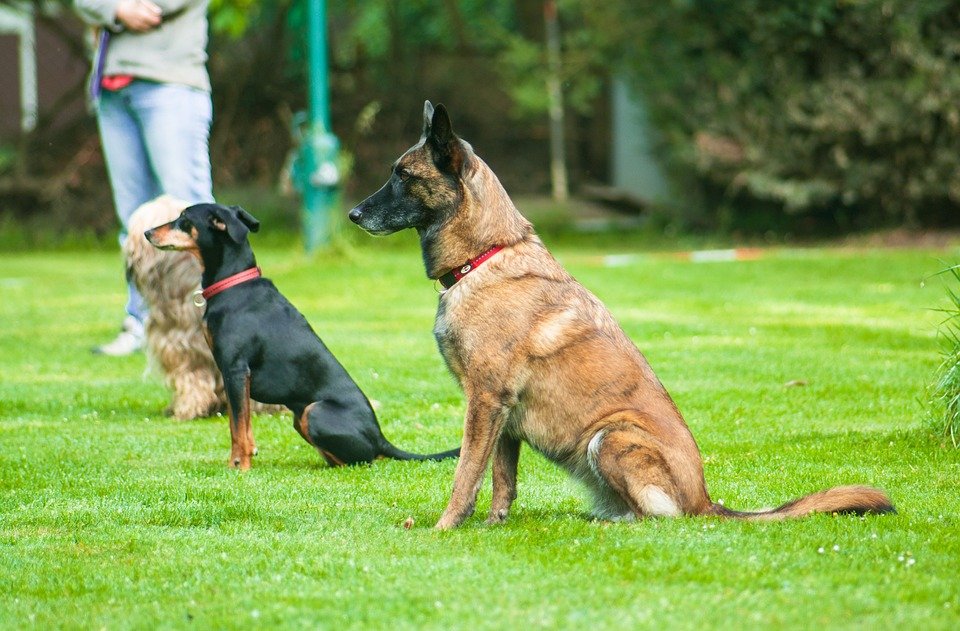
Training your dog is one of the most essential responsibilities of pet ownership. Understanding canine behavior not only enhances your relationship with your dog but also contributes to a well-adjusted, well-behaved companion. This guide aims to provide dog owners, first-time pet parents, and trainers with evidence-based insights into dog training and behavior management.
Understanding Canine Behavior
Natural Instincts and Communication
Dogs are descendants of wolves, and many of their behaviors stem from their natural instincts. Understanding these instincts helps owners connect with their dogs better. Key factors include:
- Pack Mentality: Dogs are social animals that thrive in a group setting, making socialization crucial.
- Body Language: Dogs communicate primarily through body language. Recognizing signs of stress, happiness, or aggression can help owners respond appropriately.
How Dogs Learn and Respond to Stimuli
Dogs learn through experiences and stimuli in their environment. The main learning styles include:
- Classical Conditioning: Associating a neutral stimulus with a significant event (e.g., a bell ringing before feeding).
- Operant Conditioning: Learning through consequences—positive or negative—of behavior (e.g., receiving treats for sitting on command).
Importance of Training in Dogs
Mental Stimulation
Training is not merely about obedience; it also provides mental stimulation, which is vital for a dog’s overall well-being. Engaging your dog in training exercises can reduce boredom and prevent behavioral issues.
Safety and Socialization Benefits
Proper training enhances safety for both the dog and the owner. Socialized dogs are better equipped to handle new experiences, reducing the likelihood of fear-based responses.
Basic Dog Training Foundations
Positive Reinforcement Principles
Positive reinforcement involves rewarding desired behaviors to increase the likelihood of those behaviors being repeated. Key aspects include:
- Immediate Rewards: Offer treats or praise immediately after the desired behavior to create a clear connection.
- Variety of Rewards: Use treats, toys, and affection to keep your dog motivated.
Consistency and Timing
Being consistent with commands and timing is crucial:
- Use the Same Commands: Always use the same words for specific commands to avoid confusion.
- Reinforce Immediately: Reinforce behaviors as soon as they occur for better learning.
Reward-Based Training Methods
Reward-based methods are humane and effective. They foster a positive relationship between the dog and owner, encouraging trust and respect.
Essential Commands Every Dog Should Learn
Training your dog to respond to basic commands enhances communication and safety. Essential commands include:
- Sit: A foundational command that promotes good manners.
- Stay: An important command for safety and control.
- Come: Crucial for recall in potentially dangerous situations.
- Down: Helps to settle an excited dog.
- Leave It: Prevents dogs from picking up harmful or unwanted items.
Training Tips for Beginners
- Start Small: Begin with one command at a time.
- Short Sessions: Keep training sessions brief (5-10 minutes) to maintain your dog’s focus.
- Be Patient: Learning takes time, and each dog progresses at their own pace.
Puppy Training vs Adult Dog Training
Critical Socialization Periods
Puppies experience a crucial socialization window between 3 and 14 weeks. During this time, exposing them to various people, pets, and environments is vital for developing confidence.
Adjusting Techniques by Age
- Puppies: Focus on basic commands and socialization.
- Adult Dogs: May require more patience and consistency, especially if they have ingrained behaviors.
Common Dog Behavior Issues
Excessive Barking
Excessive barking can indicate boredom, anxiety, or a need for attention. Consider environmental enrichment and training to address this behavior.
Chewing and Destructive Behavior
Puppies naturally chew, but adult dogs may chew out of boredom or anxiety. Providing appropriate chew toys and engaging in regular exercise can mitigate this behavior.
Jumping on People
Jumping is often a dog’s way of seeking attention. Training to sit when greeting can help curb this behavior effectively.
Pulling on Leash
Leash pulling can make walks challenging. Teaching loose-leash walking techniques can enhance the experience for both the dog and owner.
Separation Anxiety
Separation anxiety can lead to destructive behaviors when a dog is left alone. Gradual desensitization and creating a safe space for your dog can help alleviate anxiety.
Managing and Correcting Behavior Positively
Redirection Techniques
Redirecting a dog’s attention to a more appropriate behavior can help manage unwanted actions. For example, if your dog is chewing furniture, redirect them to a chew toy.
Environmental Management
Adjusting the environment can prevent behavioral issues. For example, confine your dog to a safe area when you are not able to supervise them.
Avoiding Punishment-Based Training
Punishment-based methods can lead to fear and anxiety. Instead, focus on positive reinforcement to encourage desired behaviors.
Socialization and Environmental Exposure
People, Pets, and New Environments
Regular exposure to different people, pets, and settings helps prevent fear and anxiety. Aim for controlled introductions to ensure positive experiences.
Fear Prevention Strategies
- Gradual Exposure: Introduce your dog to new experiences slowly.
- Reward Calm Behavior: Reinforce relaxed behavior in new situations with treats and praise.
When to Seek Professional Help
Signs You May Need a Trainer or Behaviorist
- Persistent behavioral issues that do not improve with training.
- Aggression towards people or other pets.
- Extreme fear or anxiety responses.
Importance of Veterinary Guidance
Consulting with a veterinarian can rule out underlying health issues contributing to behavior problems.
Myths vs Facts About Dog Training
Dominance Theory
The dominance theory, which suggests that dogs seek to dominate their owners, has largely been discredited. Modern training emphasizes cooperation and positive reinforcement.
“Old Dogs Can’t Learn” Myth
Contrary to this myth, older dogs can learn new behaviors. Training can be adapted to suit the needs of older dogs, promoting mental and physical stimulation.
Conclusion
Understanding canine behavior and implementing effective training techniques is crucial for fostering a positive relationship with your dog. By utilizing positive reinforcement and being mindful of your dog’s needs, you can cultivate a well-behaved companion. Remember, if you encounter difficulties, seeking professional guidance can provide tailored support for you and your dog.
FAQ Section
What is the best age to start dog training?
The ideal time to start training is during the puppy’s critical socialization period, between 3 and 14 weeks of age.
How long does it take to train a dog?
Training duration varies by dog and the complexity of commands but typically requires consistent practice over several weeks.
Is positive reinforcement effective?
Yes, research shows that positive reinforcement is one of the most effective training methods, leading to better long-term results.
How do I stop my dog from barking?
Identify the cause of barking and provide alternative behaviors, along with training to reinforce calmness.
Can older dogs be trained?
Absolutely! Older dogs can learn new commands and behaviors; training may take a bit longer but is still effective.
By following the principles outlined in this guide, you can effectively train your dog and better understand their behavior, leading to a harmonious living environment.