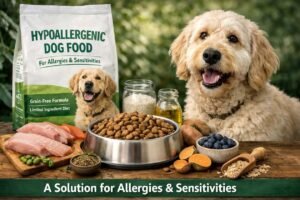

Introduction: Why Nutrition Matters for Dogs
Proper nutrition is the cornerstone of a healthy life for dogs. Just like humans, dogs require a balanced diet to thrive, maintain a healthy weight, and prevent a variety of diseases. Understanding canine nutrition allows pet owners to make informed choices about their furry companions’ diet, ensuring they receive the essential nutrients needed for growth, energy, and overall well-being. This comprehensive guide aims to provide you with the knowledge you need to navigate the world of dog food, from understanding macronutrients and micronutrients to making the right dietary choices for your dog’s life stage and specific needs.
The Importance of Balanced Nutrition in Dogs
A balanced diet is vital for several reasons:
-
- Supports Growth and Development: Puppies require specific nutrients for proper growth.
-
- Maintains Healthy Weight: Proper nutrition helps prevent obesity, a common issue in dogs.
-
- Boosts Immunity: A nutrient-rich diet supports the immune system, helping fend off illness.
-
- Promotes Healthy Skin and Coat: Essential fatty acids and vitamins contribute to a shiny coat and healthy skin.
-
- Enhances Energy Levels: A balanced diet ensures dogs have the energy needed for daily activities.
Understanding Macronutrients
Macronutrients are the primary components of a dog’s diet, providing the energy they need for daily activities.
Protein
-
- Function: Essential for growth, tissue repair, and immune function.
-
- Sources: Meat, fish, eggs, and legumes.
-
- Recommendation: A dog’s diet should consist of 18-25% protein, depending on their age and activity level.
Fats
-
- Function: Provide energy, support cell structure, and aid in the absorption of fat-soluble vitamins.
-
- Sources: Fish oil, chicken fat, and flaxseed oil.
-
- Recommendation: Fats should make up about 5-15% of a dog’s diet.
Carbohydrates
-
- Function: Provide energy and support digestive health through fiber.
-
- Sources: Grains, vegetables, and fruits.
-
- Recommendation: Carbohydrates should comprise 30-50% of a dog’s diet, depending on their specific needs.
Micronutrients: Vitamins and Minerals
Micronutrients are vital for various bodily functions, including metabolic processes and bone health.
Key Vitamins
-
- Vitamin A: Supports vision and immune function.
-
- B Vitamins: Essential for energy metabolism and brain health.
-
- Vitamin D: Important for calcium absorption and bone health.
-
- Vitamin E: Acts as an antioxidant and supports skin health.
Key Minerals
-
- Calcium: Crucial for bone health.
-
- Phosphorus: Works with calcium to build strong bones.
-
- Iron: Necessary for oxygen transport in the blood.
-
- Zinc: Supports immune function and skin health.
Commercial Dog Food vs. Homemade Diets
Commercial Dog Food
-
- Pros: Convenient, nutritionally balanced, and formulated to meet the AAFCO (Association of American Feed Control Officials) standards.
-
- Cons: Quality can vary between brands; some may contain fillers or artificial additives.
Homemade Diets
-
- Pros: Fresh ingredients and customizable to meet specific health needs.
-
- Cons: Risk of nutritional imbalance if not properly formulated; requires careful planning and knowledge.
Age-Specific Nutrition
Puppies
-
- Nutritional Needs: High protein and fat content to support rapid growth.
-
- Recommendation: Feed a high-quality puppy food formulated for growth.
Adult Dogs
-
- Nutritional Needs: Balanced diet to maintain health and avoid obesity.
-
- Recommendation: Transition to adult dog food that meets their activity level.
Senior Dogs
-
- Nutritional Needs: Lower calories but higher fiber to maintain weight and digestive health.
-
- Recommendation: Choose senior-formulated dog food to address age-related health issues.
Breed Size Considerations
Different breeds have varying nutritional requirements based on size:
-
- Small Breeds: Higher calorie density due to faster metabolism.
-
- Medium Breeds: Balanced diet; watch for weight gain.
-
- Large Breeds: Lower calorie density to prevent obesity and support joint health.
Special Diets
Allergies
-
- Signs: Itching, digestive upset, or ear infections.
-
- Recommendation: Consult a veterinarian for hypoallergenic dog food options.
Obesity
-
- Signs: Difficulty in exercising, excessive weight.
-
- Recommendation: Consult a vet for a weight management plan and appropriate food.
Sensitive Stomach
-
- Signs: Frequent vomiting or diarrhea.
-
- Recommendation: Choose easily digestible food with limited ingredients.
Foods That Are Safe for Dogs
-
- Fruits: Apples (without seeds), blueberries, and bananas.
-
- Vegetables: Carrots, green beans, and sweet potatoes.
-
- Proteins: Cooked chicken, turkey, and fish.
Foods That Are Toxic or Dangerous for Dogs
-
- Chocolate: Contains theobromine, which is toxic to dogs.
-
- Grapes and Raisins: Can cause kidney failure.
-
- Onions and Garlic: Can damage red blood cells.
-
- Xylitol: A sweetener found in sugar-free products that can cause hypoglycemia.
Reading and Understanding Dog Food Labels
When choosing dog food, it’s important to read labels carefully to ensure quality:
-
- Ingredients: Look for named sources of protein (e.g., “chicken” instead of “meat by-products”).
-
- Guaranteed Analysis: Check for protein, fat, fiber, and moisture content.
-
- AAFCO Statement: Ensure the food meets AAFCO standards for nutrient profiles.
Hydration and Water Intake
Water is a critical yet often overlooked component of a dog’s diet. Ensure your dog has access to fresh water at all times. The general guideline is that dogs should drink about 1 ounce of water per pound of body weight daily.
Common Dog Nutrition Myths vs. Facts
Myth: Dogs can thrive on a vegetarian diet.
Fact: While some dogs can adapt to vegetarian diets, they often require specific supplements to meet their nutritional needs.
Myth: Grain-free diets are healthier for all dogs.
Fact: Many dogs can digest grains without issues; grain-free diets may lead to nutritional imbalances.
Conclusion: Practical Advice for Dog Nutrition
Understanding dog nutrition is essential for every pet owner. A well-balanced diet tailored to your dog’s age, size, and health needs can lead to a long, happy, and healthy life. Always consult with your veterinarian when making significant changes to your dog’s diet or if you have concerns about their nutritional needs. Remember, quality matters when it comes to dog food, whether you choose commercial brands or homemade meals. With the right knowledge and attention, you can provide the best nutrition for your canine companion.
FAQ Section
Q1: What is the best food for dogs?
A1: The best food for dogs varies by individual needs, but high-quality commercial dog food that meets AAFCO standards is generally recommended. Always consider your dog’s size, age, and health conditions.
Q2: How much should I feed my dog?
A2: The amount to feed your dog depends on their size, age, and activity level. Consult your dog food label and your veterinarian for personalized recommendations.
Q3: Can I give my dog table scraps?
A3: Some table scraps are safe, but many human foods can be toxic. Always check which foods are safe for dogs and consult your veterinarian.
Q4: How can I tell if my dog is overweight?
A4: You can assess your dog’s weight by checking for a visible waist and feeling their ribs. Consult with your veterinarian for a proper weight assessment.
Meta Description: Explore our comprehensive dog nutrition guide to learn about balanced diets, special needs, and safe foods for your canine companion.