
Meta Description: Discover essential insights into dog nutrition, including dietary needs, food types, and tips for a healthy diet for dogs. Ensure your canine companion thrives!
Introduction: Why Nutrition Matters for Dogs
As a responsible pet owner, understanding your dog’s nutritional needs is vital for their overall health and well-being. Just like humans, dogs require a balanced diet to thrive, maintain energy levels, and support their immune systems. Proper nutrition can prevent a variety of health issues, from obesity to allergies, ensuring your furry friend enjoys a long, happy life. In this comprehensive guide, we’ll explore the intricacies of canine nutrition, helping you make informed decisions about your dog’s diet.
The Importance of Balanced Nutrition in Dogs
A balanced diet is not just about filling your dog’s bowl with food; it’s about providing the right mix of nutrients that support their specific health needs. A well-rounded diet helps maintain:
- Healthy Weight: Obesity in dogs can lead to serious health conditions like diabetes and joint issues.
- Strong Immune System: Essential vitamins and minerals bolster your dog’s immune responses.
- Healthy Skin and Coat: Proper nutrition promotes a shiny coat and healthy skin, reducing the risk of allergies.
- Optimal Digestion: A balanced diet aids digestion and nutrient absorption, keeping your dog feeling their best.
Macronutrients: The Building Blocks of Canine Nutrition
Protein
- Function: Essential for growth, repair, and maintenance of tissues; vital for muscle development.
- Sources: Quality animal proteins (chicken, beef, fish) are preferred, but plant-based proteins can also be included in moderation.
Fats
- Function: A concentrated energy source, fats support skin health and brain function.
- Sources: Look for omega-3 and omega-6 fatty acids found in fish oil, flaxseed, and chicken fat.
Carbohydrates
- Function: Provide energy and aid in digestion through fiber.
- Sources: Whole grains (brown rice, oats), vegetables (sweet potatoes, carrots), and fruits (blueberries, apples) are excellent options.
Micronutrients: Vitamins and Minerals
Vitamins and minerals play critical roles in maintaining your dog’s health:
- Vitamins: Essential for various bodily functions, including metabolism and immune response. Common vitamins for dogs include A, D, E, K, and B-complex.
- Minerals: Important for bone health, nerve function, and fluid balance. Key minerals include calcium, phosphorus, potassium, and zinc.
Commercial Dog Food vs. Homemade Diets
Both commercial dog food and homemade diets can be appropriate options, depending on your dog’s specific needs:
Commercial Dog Food
- Pros: Convenience, balanced nutrition, and rigorous safety standards.
- Cons: Quality can vary; some brands may contain fillers or artificial ingredients.
Homemade Diets
- Pros: Control over ingredients and freshness.
- Cons: Requires careful planning to ensure nutritional balance; risk of deficiencies if not formulated correctly.
Age-Specific Nutrition
Puppies
Puppies require a diet high in protein and fat to support their rapid growth. Look for puppy formulas specifically designed to meet their nutritional needs.
Adult Dogs
Adult dogs need a balanced diet that maintains their health and weight. Adjust portions based on activity level and lifestyle.
Senior Dogs
As dogs age, their metabolism slows, and they may require fewer calories. Senior diets typically have lower fat and higher fiber to support digestion.
Breed Size Considerations
Different breeds have varying nutritional needs:
- Small Breeds: Higher metabolism; require calorie-dense food.
- Medium Breeds: Balanced diets that support energy without excessive calories.
- Large Breeds: Careful attention to calcium and phosphorus to prevent skeletal issues.
Special Diets
Allergies
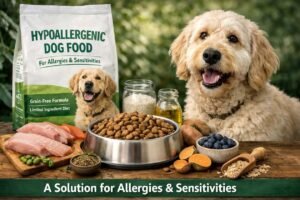
Identifying food allergies can require a specialized diet. Common allergens include beef, dairy, and grains.
Obesity
Weight management diets are crucial for overweight dogs, focusing on lower calories and higher fiber.
Sensitive Stomach
Dogs with digestive issues may benefit from easily digestible foods and limited ingredient diets.
Foods That Are Safe for Dogs
- Lean meats (cooked chicken, turkey, beef)
- Certain fruits (apples, blueberries, bananas)
- Vegetables (carrots, green beans, sweet potatoes)
- Plain rice and pasta
Foods That Are Toxic or Dangerous for Dogs
- Chocolate
- Onions and garlic
- Grapes and raisins
- Macadamia nuts
- Xylitol (found in sugar-free products)
Reading and Understanding Dog Food Labels
Understanding dog food labels is essential for making informed choices:
- Ingredients List: Ingredients are listed by weight; look for high-quality protein sources at the top.
- Guaranteed Analysis: Provides information on protein, fat, fiber, and moisture content.
- Nutritional Adequacy Statement: Indicates if the food meets AAFCO standards for a specific life stage.
Hydration and Water Intake
Adequate hydration is crucial for your dog’s health. Always provide fresh, clean water and monitor their intake, especially in hot weather or after exercise.
Common Dog Nutrition Myths vs. Facts
Myth: Dogs are carnivores and need only meat.
Fact: Dogs are omnivores and can thrive on a variety of foods, including vegetables and grains.
Myth: Human food is always bad for dogs.
Fact: Many human foods are safe for dogs when given in moderation and prepared correctly.
Myth: Grain-free diets are always better.
Fact: Grain-free diets can be beneficial for some, but not all dogs require them. Consult with a veterinarian to determine the best diet for your dog.
Conclusion: Practical Advice for a Healthy Diet for Dogs
Ensuring your dog receives a balanced diet tailored to their individual needs is essential for their long-term health and happiness. Whether you choose commercial dog food or a homemade diet, always prioritize quality ingredients and nutritional balance. Regularly consult with your veterinarian to address any specific health concerns or dietary needs. By understanding canine nutrition, you can provide your furry friend with the best food for dogs, setting them on the path to a healthy and fulfilling life.
FAQ Section
1. How do I know if my dog is getting enough nutrients?
Monitor their energy levels, coat condition, and overall health. Regular veterinary check-ups can also help assess their nutrition.
2. Can I feed my dog raw food?
Raw diets can be risky due to potential bacteria. Consult with a veterinarian before making any dietary changes.
3. What are the signs of food allergies in dogs?
Common signs include itching, gastrointestinal upset, and ear infections. If you suspect allergies, consult your veterinarian for guidance.
4. How much should I feed my dog?
Feeding amounts depend on your dog’s size, age, and activity level. Refer to feeding guidelines on dog food packaging and consult your veterinarian for personalized recommendations.
5. Are there any supplements I should give my dog?
Most dogs receive adequate nutrients from a balanced diet, but some may benefit from specific supplements. Always discuss this with your veterinarian before adding supplements to your dog’s diet.