
Introduction
Ensuring the health and wellness of dogs is paramount for their longevity and quality of life. A healthy dog is not only a happier pet but also a source of joy and companionship for their owners. Understanding the vital aspects of canine health can help pet owners provide a nurturing environment that supports their dogs’ physical and emotional well-being.
Understanding Overall Canine Health
Physical Health
Physical health encompasses various factors, including nutrition, exercise, and routine veterinary care. Regular veterinary check-ups are crucial for early detection and treatment of potential health issues. Proper nutrition and consistent exercise are equally important, as they contribute to maintaining a healthy weight and overall vitality.
Mental and Emotional Well-Being
Mental health is often overlooked in canine care, yet it plays a critical role in a dog’s overall quality of life. Dogs thrive on social interaction, stimulation, and positive reinforcement. Mental health issues can arise from lack of exercise, boredom, or insufficient socialization, leading to behavioral problems that can affect the bond between pet and owner.
Common Health Issues in Dogs
Digestive Problems
Digestive issues are frequent in dogs and can manifest as vomiting, diarrhea, or constipation. These problems can arise from dietary indiscretion, food intolerances, or underlying health conditions. Maintaining a balanced diet and being mindful of sudden dietary changes can help mitigate these concerns.
Skin and Coat Issues
Skin problems, such as allergies, infections, and parasites, are common in dogs. A healthy coat is indicative of a dog’s overall health; dullness, excessive shedding, or itching can signal underlying health issues. Regular grooming can help identify skin problems early.
Joint and Mobility Concerns
Joint issues, such as arthritis, are prevalent, especially in older dogs. Maintaining a healthy weight and providing appropriate exercise can help prevent joint problems. Signs of discomfort, such as limping or reluctance to move, should be addressed promptly.
Dental Health
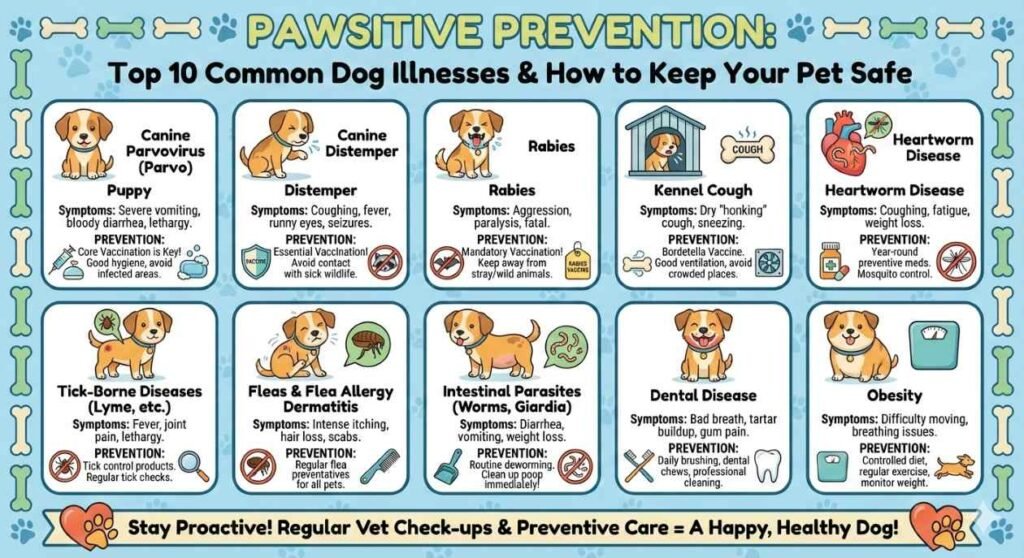
Dental health is crucial yet often neglected in canine care. Poor dental hygiene can lead to periodontal disease, pain, and tooth loss. Regular dental check-ups and at-home dental care, including brushing, can significantly improve a dog’s overall health.
Preventive Health Care for Dogs
Regular Vet Check-Ups
Routine veterinary visits are essential for maintaining a dog’s health. Regular check-ups allow for early detection of health issues and ensure that vaccinations and preventive care are up to date.
Vaccinations and Parasite Control
Vaccinations protect dogs from various infectious diseases, while parasite control helps prevent issues such as fleas, ticks, and heartworm. Following a veterinarian’s recommendations for vaccinations and parasite prevention is crucial for a healthy dog.
Nutrition and Hydration
Providing a balanced diet and ensuring adequate hydration are foundational aspects of dog wellness. A well-nourished dog is more resilient to diseases and can maintain a healthy weight.
Nutrition and Diet for Optimal Wellness
Balanced Dog Diet
A balanced dog diet includes a mix of proteins, fats, carbohydrates, vitamins, and minerals. High-quality commercial dog foods are formulated to meet these requirements, but some owners may choose to prepare homemade meals. Consulting with a veterinarian or a pet nutritionist is advisable to ensure nutritional adequacy.
Role of Proteins, Fats, Vitamins, and Minerals
Proteins are essential for growth and repair, while healthy fats provide energy and support skin and coat health. Vitamins and minerals play vital roles in various bodily functions, including immune response and bone health. Understanding the importance of these nutrients can help pet owners make informed dietary choices.
Foods to Avoid
Certain human foods can be toxic to dogs, including chocolate, grapes, onions, and garlic. It’s essential for dog owners to be aware of these harmful foods and keep them out of their pets’ reach.
Exercise and Mental Stimulation
Daily Activity Needs
Dogs require regular exercise to maintain physical health and mental well-being. The amount of exercise needed varies by breed, age, and individual energy levels. Daily walks, play sessions, and interactive activities are important for fulfilling a dog’s exercise needs.
Enrichment Games and Training
Mental stimulation is just as important as physical exercise. Engaging dogs in games, training sessions, and puzzle toys can enhance their cognitive abilities and prevent boredom. Activities that incorporate both mental and physical challenges are particularly beneficial.
Signs Your Dog May Not Be Well
Early Warning Signs Owners Should Not Ignore
Recognizing early warning signs is crucial for prompt intervention. Changes in appetite, unusual lethargy, excessive itching, or behavioral changes can indicate health problems. Pet owners should seek veterinary advice if they notice persistent changes in their dog’s behavior or health.
Home Care and Grooming Practices
Coat Care
Regular grooming helps maintain a dog’s coat and skin health. Brushing removes loose hair and dirt while promoting healthy skin. The frequency of grooming depends on the dog’s breed and coat type.
Nail Trimming
Keeping a dog’s nails trimmed is essential for their comfort and mobility. Overgrown nails can lead to pain and difficulty walking. Regular nail trimming should be part of a dog’s grooming routine.
Ear and Eye Hygiene
Maintaining ear and eye hygiene is important for preventing infections. Regular checks can help identify issues early, and cleaning should be done as needed, following veterinary advice.
When to Consult a Veterinarian
Clear Situations Requiring Professional Help
Certain situations necessitate immediate veterinary attention. These include severe vomiting or diarrhea, difficulty breathing, seizures, or signs of pain. Pet owners should not hesitate to consult a veterinarian in these circumstances.
Conclusion
Promoting dog health and wellness is an ongoing commitment that requires responsible pet ownership and proactive care. By understanding the essential elements of canine health and addressing potential issues promptly, pet owners can ensure their dogs lead long, happy, and healthy lives.
Meta Description
Discover essential tips for dog health and wellness, including nutrition, exercise, and preventive care for a happy, healthy dog lifestyle.
FAQ
Q1: What are the signs of a healthy dog?
A1: A healthy dog typically has a shiny coat, clear eyes, good energy levels, and a normal appetite.
Q2: How often should I take my dog to the vet?
A2: Generally, adult dogs should have a veterinary check-up at least once a year, while puppies and senior dogs may need more frequent visits.
Q3: What should I feed my dog for optimal health?
A3: A balanced diet with high-quality protein, healthy fats, and essential vitamins and minerals is crucial for a dog’s health.
Q4: How much exercise does my dog need?
A4: Exercise needs vary by breed, age, and health status, but most dogs require at least 30 minutes to 2 hours of physical activity daily.
Q5: What are common signs that my dog may be unwell?
A5: Look for changes in behavior, appetite, energy levels, or unusual physical symptoms, such as vomiting or limping, and consult a vet if concerned.