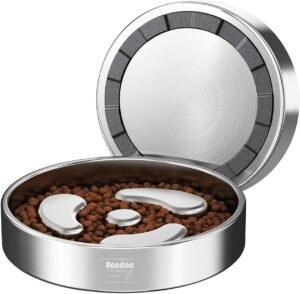

Providing optimal nutrition for your dog is essential to ensure their health, vitality, and longevity. Dogs, like humans, require a balanced diet that meets all their nutritional needs. In this article, we will explore the components of a balanced dog diet, the importance of each nutrient, and how to tailor a feeding regimen to suit your dog’s individual needs. Understanding these principles will help you make informed decisions about your dog’s diet and support their overall well-being.
Understanding Canine Nutritional Needs
Dogs are omnivores, which means they require a combination of nutrients found in both animal and plant sources. A balanced diet for dogs includes proteins, fats, carbohydrates, vitamins, minerals, and water. Each of these components plays a vital role in maintaining your dog’s health.
Proteins: The Building Blocks
Proteins are crucial for building and repairing tissues, producing enzymes and hormones, and supporting the immune system. Dogs require high-quality animal-based proteins such as chicken, beef, lamb, fish, and eggs. The amino acids in these proteins are essential for various bodily functions, including muscle development and maintenance.
Fats: Energy and Vitality
Fats are a concentrated source of energy and are necessary for the absorption of fat-soluble vitamins (A, D, E, and K). They also support skin and coat health. Essential fatty acids, such as omega-3 and omega-6, are critical for reducing inflammation and promoting cardiovascular health. Sources of healthy fats include fish oil, flaxseed oil, and chicken fat.
Carbohydrates: Fuel for Activity
Carbohydrates provide a quick source of energy and are found in grains, fruits, and vegetables. While dogs can survive on a low-carbohydrate diet, including digestible carbohydrates can provide necessary fiber and nutrients. Whole grains like brown rice and oats or vegetables such as sweet potatoes and carrots can be beneficial.
Vitamins and Minerals: Essential Micronutrients
Vitamins and minerals are crucial for numerous physiological functions, including bone health, immune support, and nerve function. Vitamins like A, B, and E, and minerals such as calcium, phosphorus, and zinc, must be balanced to avoid deficiencies or toxicities. A well-formulated commercial dog food typically provides these in the right amounts.
Water: The Most Essential Nutrient
Water is the most critical nutrient, vital for digestion, nutrient transport, and temperature regulation. Ensure your dog has access to clean, fresh water at all times. The amount of water required can vary based on factors like diet, activity level, and climate.
Tailoring a Diet to Your Dog’s Needs
Each dog is unique, and factors such as age, size, breed, activity level, and health conditions can influence their dietary needs. Here are some considerations for tailoring your dog’s diet:
Puppies: Growing Bodies Need More
Puppies require higher protein and fat content to support their rapid growth and development. They also need more frequent feedings than adult dogs. Look for puppy-specific diets that cater to these needs.
Adults: Maintaining Health and Vitality
Adult dogs need a maintenance diet that supports their energy needs without excess calories. Adjust their caloric intake based on activity level to prevent obesity.
Seniors: Special Considerations
Senior dogs may need fewer calories and more fiber to prevent obesity and maintain digestive health. They might also benefit from joint-supporting supplements such as glucosamine and chondroitin.
Special Needs: Health Conditions and Allergies
Dogs with specific health conditions, such as diabetes, kidney disease, or food allergies, may require specialized diets. Consult with a veterinarian to create a diet plan tailored to these needs.
Choosing the Right Dog Food
Selecting the right dog food can be overwhelming due to the myriad of options available. Here are some tips to help you make the best choice:
Read the Labels
Look for dog foods that list a high-quality protein source as the first ingredient. Avoid foods with excessive fillers, artificial preservatives, and by-products.
Understand the Different Types
Dog food comes in various forms, including dry kibble, canned, semi-moist, and raw. Each type has its pros and cons. For example, kibble is convenient and helps with dental health, while canned food can be more palatable and hydrating.
Consider Your Dog’s Preferences
Some dogs may have preferences for certain textures or flavors. Trial and error may be necessary to find the right fit.
Homemade Diets: A Word of Caution
While homemade diets can be an option, they require careful planning to ensure nutritional adequacy. It’s easy to overlook essential nutrients, leading to imbalances. If considering a homemade diet, consult with a veterinary nutritionist to formulate a balanced meal plan.
Conclusion
Crafting a balanced diet for your dog is a cornerstone of responsible pet ownership. By understanding your dog’s nutritional needs and considering their individual characteristics, you can provide a diet that supports their health and happiness. Whether you choose a commercial dog food or a homemade diet, the key is to ensure all essential nutrients are adequately provided. Regular veterinary check-ups and consultations can further help you tailor your dog’s diet as their needs change over time.