
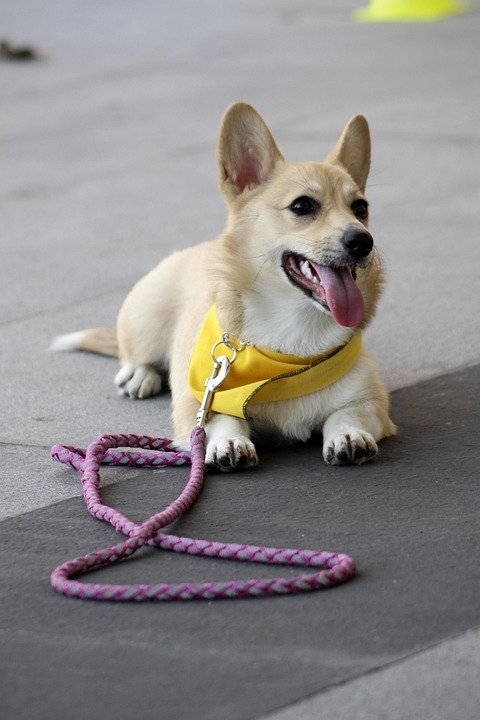
Training your dog is not merely a series of commands; it is a vital aspect of understanding canine behavior, fostering a healthy relationship, and ensuring the well-being of both you and your pet. In this article, we will explore the intricacies of dog training and behavior, providing you with essential insights that will enhance your experience as a dog owner or trainer.
Understanding Canine Behavior
Natural Instincts and Communication
Dogs are descendants of wolves and, as such, possess innate instincts that shape their behavior. Understanding these instincts is fundamental for any dog owner. Key aspects include:
- Pack Mentality: Dogs are social animals that thrive in social structures. They look to their human companions as leaders within their pack.
- Body Language: Dogs communicate through a range of body signals, including tail position, ear orientation, and facial expressions. Recognizing these cues can help prevent misunderstandings.
- Vocalizations: Barking, growling, and whining are all forms of communication. Understanding the context of these sounds can guide appropriate responses.
How Dogs Learn and Respond to Stimuli
Dogs learn through associative learning, where they connect actions with outcomes. This process can be broken down into:
- Classical Conditioning: Associating a neutral stimulus with an unconditioned stimulus to elicit a response.
- Operant Conditioning: Employing rewards or consequences to influence behavior.
Importance of Training in Dogs
Training is crucial for several reasons:
- Mental Stimulation: Engaging your dog’s mind through training activities prevents boredom, which can lead to behavioral issues.
- Safety and Socialization Benefits: Proper training ensures that your dog behaves appropriately in various situations, reducing the risk of accidents and enhancing social interactions with people and other animals.
Basic Dog Training Foundations
Positive Reinforcement Principles
Positive reinforcement is the cornerstone of effective dog training. This method involves rewarding desired behaviors, which encourages your dog to repeat them. Key components include:
- Timing: Immediate rewards reinforce the connection between the behavior and the reward.
- Consistency: Use the same commands and rewards to avoid confusing your dog.
Reward-Based Training Methods
Reward-based training methods include:
- Treats: High-value treats can motivate your dog during training sessions.
- Praise: Verbal affirmations and physical affection reinforce positive behavior.
Essential Commands Every Dog Should Learn
Teaching basic commands is fundamental for a well-behaved dog. Here are essential commands:
- Sit: A foundational command that can help manage behavior.
- Stay: Promotes patience and self-control.
- Come: Enhances recall, crucial for safety.
- Down: A calming position.
- Leave It: Prevents unwanted behaviors, such as picking up dangerous items.
Training Tips for Beginners
- Short Sessions: Keep training sessions brief (5-10 minutes) to maintain your dog’s focus.
- Patience is Key: Every dog learns at their own pace. Celebrate small victories.
Puppy Training vs Adult Dog Training
Critical Socialization Periods
Puppies undergo crucial socialization phases between 3 and 14 weeks. Exposing them to various stimuli during this period helps prevent fear-based behaviors later in life.
Adjusting Techniques by Age
- Puppies: Utilize playful methods and short sessions.
- Adult Dogs: Focus on reinforcing good habits and addressing established behaviors.
Common Dog Behavior Issues
Excessive Barking
Barking can stem from boredom, fear, or a desire for attention. Identifying the cause is crucial for addressing the behavior.
Chewing and Destructive Behavior
Dogs may chew due to anxiety, boredom, or teething. Providing appropriate chew toys and mental stimulation can help mitigate this behavior.
Jumping on People
Jumping is often a greeting behavior. Training your dog to sit when meeting new people can redirect this behavior.
Pulling on Leash
Teaching leash manners is essential for enjoyable walks. Use positive reinforcement to reward loose-leash walking.
Separation Anxiety
Signs include excessive barking or destructive behavior when left alone. Gradual desensitization and creating a safe space can help alleviate anxiety.
Managing and Correcting Behavior Positively
Redirection Techniques
Redirecting unwanted behavior towards acceptable alternatives can help in behavior correction. For example, if your dog is chewing on furniture, redirect them to a toy.
Environmental Management
Adjusting your dog’s environment can prevent behavioral issues. For instance, using baby gates can help manage access to tempting areas.
Avoiding Punishment-Based Training
Punishment can lead to fear and anxiety. Focus instead on rewarding positive behaviors.
Socialization and Environmental Exposure
People, Pets, and New Environments
Expose your dog to various situations, people, and pets to enhance their social skills and reduce fear.
Fear Prevention Strategies
Gradually introduce your dog to new experiences and environments. Always ensure that these experiences are positive.
When to Seek Professional Help
Signs You May Need a Trainer or Behaviorist
If your dog exhibits severe behavioral issues or if you feel overwhelmed, seeking professional help is advisable. Signs include:
- Aggression towards people or other animals
- Persistent anxiety or fear
- Inability to manage basic commands
Importance of Veterinary Guidance
Always consult with a veterinarian before starting any training program, especially if behavioral issues are linked to health concerns.
Myths vs Facts About Dog Training
Dominance Theory
The outdated dominance theory suggests that dogs must be submissive to their owners. Modern training emphasizes partnership and mutual respect.
“Old Dogs Can’t Learn” Myth
Contrary to this belief, older dogs can learn new behaviors and commands with appropriate training techniques.
Conclusion
Understanding canine behavior and implementing effective training techniques are essential for fostering a harmonious relationship with your dog. By employing positive reinforcement, socializing your pet, and addressing behavioral issues with patience and understanding, you can ensure a happy and well-adjusted companion. Remember, seeking professional guidance when needed is a responsible approach to dog ownership.
FAQ Section
What is the best age to start dog training?
The best age to start dog training is as early as 7-8 weeks for puppies. Early socialization and basic commands can set the foundation for good behavior.
How long does it take to train a dog?
The duration of training varies by breed, age, and individual temperament, but consistency and patience are key. Basic commands can often be learned in a few weeks with regular practice.
Is positive reinforcement effective?
Yes, positive reinforcement is widely recognized as one of the most effective training methods. It encourages desired behaviors without fear or pain.
How do I stop my dog from barking?
Identify the triggers for your dog’s barking and address them with training techniques, such as redirection or teaching the “quiet” command.
Can older dogs be trained?
Absolutely! Older dogs can learn new commands and behaviors with the right techniques and motivation.
This article is meant to serve as a comprehensive resource for dog owners and trainers, providing essential insights into dog training and behavior. For specific concerns regarding your dog’s behavior, consult with a professional trainer or veterinary behaviorist.