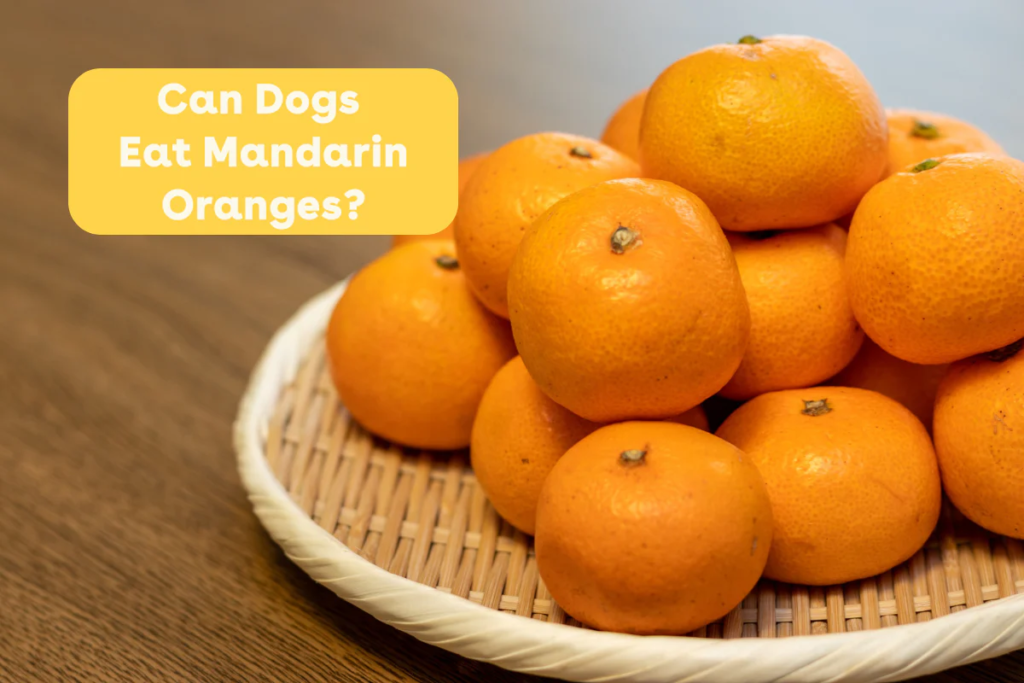
Sweet, easy to peel, and packed with vitamin C, mandarin oranges are a favorite snack for many humans, especially during the colder months. But if your dog is sitting at your feet while you peel one, you might be wondering:
Can dogs eat mandarin oranges?
The short answer is yes; dogs can eat mandarin oranges in small amounts. But like most human foods, there are a few important things pup parents should know before sharing.
Let’s break down the benefits, risks, portion sizes, and best practices so you can make the safest choice for your dog.
Table of Contents:
- Are Mandarin Oranges Safe for Dogs?
- Nutritional Benefits of Mandarin Oranges for Dogs
- Potential Risks of Feeding Mandarin Oranges to Dogs
- How Much Mandarin Can a Dog Eat?
- Healthier Alternatives to Mandarin Oranges
Are Mandarin Oranges Safe for Dogs?

Yes, in moderation, mandarin oranges are generally safe for healthy dogs.
They are not toxic. However, they are:
- High in natural sugars
- Mildly acidic
- Not necessary for a dog’s balanced diet
Dogs don’t require fruit in their diet to be healthy. A complete and balanced dog food already contains the essential vitamins and nutrients they need. So, while mandarins aren’t dangerous, they should be considered an occasional treat, not a daily addition.
💖Learn how to choose the right food for your pup!
Nutritional Benefits of Mandarin Oranges for Dogs

Even though dogs don’t need fruit, mandarin oranges do contain nutrients that can offer small benefits when fed appropriately.
Vitamin C
Mandarins are rich in vitamin C, an antioxidant that helps:
- Support immune function
- Reduce inflammation
- Combat oxidative stress
That said, dogs naturally produce their own vitamin C in their liver. Unlike humans, they don’t rely on dietary sources. So while vitamin C isn’t harmful, it’s also not essential for supplementation in healthy dogs.
Fiber
Mandarins contain dietary fiber, which can:
- Support digestive health
- Promote healthy stool formation
However, too much fiber at once can cause loose stool or mild gastrointestinal upset.
Potassium
Potassium plays a role in:
- Muscle function
- Nerve signaling
- Fluid balance
Again, a complete dog food already contains appropriate potassium levels.
In short: mandarin oranges contain beneficial nutrients, but your dog likely already gets everything they need from their regular food.
🐶Related Reading: 6 Nutrient & Vitamin Deficiencies in Dogs + Symptoms to Look For | Pup – Pupford
Potential Risks of Feeding Mandarin Oranges to Dogs

While not toxic, mandarin oranges do come with some considerations.
1. High Natural Sugar Content
Mandarins are sweet. That sweetness comes from natural sugars.
Too much sugar, even natural sugar, can:
- Contribute to weight gain
- Disrupt blood sugar balance
- Increase the risk of obesity
- Potentially worsen diabetes
For dogs that are overweight, diabetic, or prone to pancreatitis, it’s best to skip sugary fruits entirely unless your veterinarian advises otherwise.
2. Acidity
Citrus fruits are acidic. While mandarins are less acidic than lemons or limes, they can still:
- Cause mild stomach upset
- Lead to vomiting or diarrhea in sensitive dogs
- Irritate the mouth or digestive tract
If your dog has a sensitive stomach, start with a very small piece and monitor closely.
3. Peels and Seeds
The peel and seeds should never be fed to your dog.
Peels can be:
- Difficult to digest
- A choking hazard
- A potential cause of intestinal blockage
They also contain concentrated essential oils that can irritate the digestive system.
Seeds can pose a choking risk and may contain trace compounds you don’t want your dog ingesting.
Always remove:
- The peel
- All seeds
- Any white pith if possible
How Much Mandarin Can a Dog Eat?

When it comes to fruit, less is more.
A good rule of thumb is that treats, including fruit, should make up no more than 10% of your dog’s daily caloric intake.
Here’s a general portion guide:
- Extra-small dogs (under 10 lbs): 1–2 small segments
- Small dogs (10–25 lbs): 2–3 segments
- Medium dogs (25–50 lbs): 3–4 segments
- Large dogs (50+ lbs): Up to half a mandarin
And even that should be occasional, not daily.
Think of mandarin oranges as a special treat, not a regular snack.
Healthier Alternatives to Mandarin Oranges

If you’re looking for lower-sugar fruit options, consider:
These options generally have less sugar and acidity compared to mandarins.
Even better? Choose treats specifically formulated for dogs that are low-calorie and made with simple ingredients – like the Pupford Training Treats!
🦴Related Reading: 39 Fruits & Vegetables Dogs Can Eat List + Ones to Avoid | Pupford
Can Dogs Eat Canned Mandarin Oranges?

No, canned mandarins often contain:
- Added sugar
- Syrup
- Preservatives
These additions significantly increase sugar content and can upset your dog’s stomach.
Only ever offer fresh, peeled mandarin segments, and even then, sparingly.
Recap: Can Dogs Eat Mandarin Oranges?
Yes, dogs can eat mandarin oranges, but only in small amounts and only occasionally.
They are:
- Not toxic
- Safe when peeled and seedless
- Fine as an occasional treat
But they are also:
- High in natural sugar
- Acidic
- Unnecessary in a balanced canine diet
For most healthy dogs, one or two small segments are unlikely to cause any issues. That said, mandarins should never take the place of a complete, balanced diet or quality dog treats made specifically for canine nutrition.
If you’re unsure, it’s always safest to choose foods formulated for dogs and focus on supporting their long-term health rather than offering spur-of-the-moment snacks.
Because the most meaningful way to treat your dog is to nourish them in a way that helps them live a long, vibrant life by your side.
💖Want a healthy snack to reward your extra special pup? Shop our Reward Line!