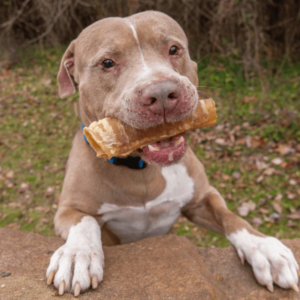

Feeding your dog is one of the most fundamental aspects of pet care. However, determining the optimal feeding frequency can be a bit tricky, especially with the diverse opinions, dog breeds, sizes, and life stages in mind. Feeding frequency impacts not only your dog’s physical health but also their mental well-being. In this article, we’ll explore the factors that determine how often you should feed your dog, from puppies to seniors, and provide tips for ensuring your pet remains healthy and happy.
Understanding Your Dog’s Nutritional Needs
To determine the optimal feeding frequency for your dog, it’s essential to first understand their nutritional needs. Dogs require a balanced diet consisting of proteins, fats, carbohydrates, vitamins, and minerals. The precise nutritional requirements depend on various factors, including age, size, breed, activity level, and health status. Consulting with a veterinarian can provide specific dietary recommendations tailored to your dog’s unique needs.
Life Stage Considerations
Puppies
Puppies have high energy requirements and are in a crucial growth phase, necessitating more frequent feedings. Generally, puppies should be fed three to four times a day until they are about six months old. This frequent feeding schedule helps in maintaining their energy levels throughout the day and supports their rapid growth and development. As puppies transition to adulthood, around six months to one year, the feeding frequency can be reduced to two meals per day.
Adult Dogs
For most adult dogs, feeding twice a day is usually optimal. This schedule helps in maintaining a stable metabolism and prevents overeating at a single meal. However, some dogs might do well with just one meal a day, particularly if they are less active or have specific dietary requirements. Factors such as breed, size, and lifestyle should be considered when deciding the frequency of meals for adult dogs.
Senior Dogs
As dogs age, their metabolism and activity levels usually decrease. Senior dogs may benefit from smaller, more frequent meals throughout the day to accommodate changes in their digestive systems and to help manage any age-related health issues, such as arthritis or dental problems. Consulting a veterinarian can provide insights into the best feeding schedule for your senior dog.
Breed and Size Considerations
The breed and size of your dog play a significant role in determining feeding frequency. Smaller breeds typically have higher metabolisms and may benefit from more frequent, smaller meals. Larger breeds, on the other hand, might be prone to conditions like gastric torsion, and feeding them twice a day can help in mitigating such risks. Additionally, breed-specific dietary needs should be considered, such as the unique dietary requirements of breeds like Bulldogs or Greyhounds.
Activity Level and Lifestyle
A dog’s activity level and lifestyle significantly impact their nutritional requirements and feeding frequency. Active dogs, such as those participating in agility training or herding activities, may require more frequent meals to sustain their energy levels. Conversely, less active or sedentary dogs may need fewer meals to prevent weight gain. Observing your dog’s behavior and energy levels can provide clues to adjusting their feeding routine.
Health Considerations
Certain health conditions may necessitate adjustments in feeding frequency. Dogs with diabetes, for instance, may require multiple small meals throughout the day to maintain stable blood sugar levels. Dogs with digestive issues or those recovering from surgery may also benefit from smaller, more frequent meals. Always consult with a veterinarian to tailor your dog’s feeding schedule to any specific health needs.
Transitioning to a New Feeding Schedule
If you decide to change your dog’s feeding frequency, it’s important to do so gradually to avoid digestive upset. Start by slowly adjusting the portion sizes and meal times over the course of a week or two. Monitor your dog for any changes in behavior, appetite, or weight, and consult a veterinarian if you have any concerns about the transition.
Measuring Portions and Preventing Overfeeding
Regardless of how often you feed your dog, portion control is crucial to preventing obesity and ensuring they receive the right amount of nutrients. Use a measuring cup or kitchen scale to accurately portion their meals, and adjust as needed based on your dog’s weight, activity level, and overall health. Regularly monitoring your dog’s weight and body condition can help identify if any dietary adjustments are needed.
Feeding Tips for a Healthy Routine
- Consistency is Key: Maintain a consistent feeding schedule to help regulate your dog’s digestion and metabolism.
- Observe and Adjust: Pay attention to your dog’s behavior and energy levels, and adjust feeding times and portions as necessary.
- Quality Over Quantity: Choose high-quality dog food that meets AAFCO standards to ensure your dog gets all essential nutrients.
- Hydration: Always provide access to fresh water, as hydration is critical to your dog’s overall health.
- Treats in Moderation: Treats should not exceed 10% of your dog’s daily caloric intake to prevent weight gain.
Conclusion
Optimal feeding frequency for your dog is influenced by a variety of factors, including age, breed, size, activity level, and health status. Understanding these factors and observing your dog’s individual needs are crucial in developing a feeding routine that supports their health and well-being. By consulting with a veterinarian and making informed decisions, you can ensure that your dog enjoys a balanced diet and a happy, healthy life.
#ChatGPT assisted in the creation of this article.