
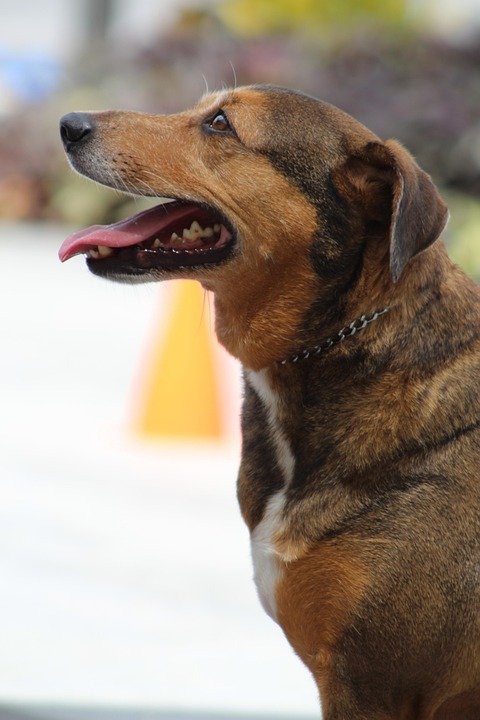
Walking your dog should be an enjoyable experience for both you and your canine companion. However, for many dog owners, walks can become a frustrating battle of wills, often characterized by pulling, lunging, or even barking at passersby. Effective leash training is essential not only for a harmonious relationship between you and your dog but also for safety and public enjoyment. This comprehensive guide seeks to equip dog owners with the knowledge and tools necessary for successful leash training.
Understanding the Importance of Leash Training
Leash training is a fundamental aspect of dog ownership. It enhances the bond between you and your dog and ensures the safety of both. A well-trained dog on a leash is less likely to engage in undesirable behaviours such as chasing after squirrels or becoming reactive to other dogs and people. Moreover, leash training allows you to exercise your dog comfortably in various environments, from bustling urban streets to serene countryside paths.
The Science Behind Leash Training
The principles of leash training are grounded in behavioural science. Dogs are motivated by rewards and can learn to associate specific behaviours with positive outcomes. Positive reinforcement techniques, which focus on rewarding desirable behaviours rather than punishing undesirable ones, are widely supported by research as effective training methods. By using treats, praise, and play to reward your dog for walking calmly on a leash, you can reinforce good behaviour and decrease unwanted actions.
Preparing for Successful Leash Training
Before diving into training, it is essential to gather the right equipment and set the stage for success. Here are some key components to consider:
Equipment
-
Leash: A standard six-foot leash made of nylon or leather is ideal. Avoid retractable leashes, as they can encourage pulling and make it difficult to maintain control.
-
Collar or Harness: A flat collar or a well-fitted harness is crucial. Harnesses that clip in the front can discourage pulling by redirecting your dog’s attention.
-
Treats: High-value treats are essential for positive reinforcement. Choose small, soft treats that are easy for your dog to consume quickly.
-
Clicker (optional): Using a clicker can help mark desired behaviours, making it easier for your dog to understand what you are reinforcing.
Environment
Select a calm and quiet environment for initial training sessions. Avoid highly stimulating areas, such as busy streets or dog parks, until your dog has mastered basic leash skills. Gradually increase distractions as your dog’s skills improve.
Timing
Training should be conducted during a time when your dog is neither too excited nor too tired. Short, frequent training sessions (5-10 minutes) are more effective than longer sessions, especially at the beginning.
Step-by-Step Guide to Leash Training
Step 1: Introduction to the Leash
Begin by allowing your dog to become accustomed to the leash and collar or harness. Allow them to wear the equipment around the house without the expectation of walking. Offer treats and praise to create a positive association with the leash.
Step 2: Basic Commands
Before heading out, ensure your dog understands basic commands such as “sit,” “stay,” and “come.” These commands will be beneficial during training and help establish control.
Step 3: Practice Walking Indoors
Once your dog is comfortable with the leash, practice walking indoors. Hold the leash firmly but gently, ensuring you have control without causing discomfort. Start walking around your home, rewarding your dog for staying by your side.
Step 4: Outdoor Training
When your dog is consistently walking well indoors, it’s time to venture outside. Begin in a quiet area. If your dog pulls, stop walking and wait for them to return to your side before resuming. This technique teaches them that pulling does not result in forward movement.
Step 5: Use Positive Reinforcement
When your dog walks calmly beside you, immediately reward them with treats and praise. Use the clicker if you have one to mark the precise moment they exhibit the desired behaviour. Gradually increase the duration of calm walking before rewarding.
Step 6: Introducing Distractions
Once your dog is proficient in walking calmly in a quiet environment, gradually introduce distractions. This could include other dogs, people, or even cyclists. Continue to reward your dog for maintaining focus and calmness.
Step 7: Consistency is Key
Consistency in training is crucial. Aim for daily practice sessions, even if brief. Use the same commands and reward system to help reinforce learning.
Step 8: Troubleshooting Common Issues
-
Pulling: If your dog pulls, stop walking. Wait for them to return to your side before moving again. Use treats to lure them back.
-
Barking: If your dog barks at other dogs or people, redirect their attention with treats and commands to help them remain calm.
-
Distraction: If your dog becomes overly distracted, refocus their attention by changing your direction or using a high-value treat.
Professional Advice
Socialisation
Incorporating socialisation into your training routine is essential. Expose your dog to new environments, people, and other animals. Proper socialisation reduces anxiety and helps your dog learn acceptable behaviours in varied situations.
Enrichment
Consider incorporating mental enrichment activities into your dog’s routine. Puzzle toys, scent games, and obedience training can help channel your dog’s energy and improve their focus during walks.
Seek Help if Necessary
If you encounter persistent challenges during leash training, consider seeking the help of a professional dog trainer or veterinary behaviourist. They can provide tailored advice and support based on your dog’s specific needs.
FAQs
Q: How long does it take to leash train a dog?
A: The time it takes to leash train a dog varies based on the individual dog’s temperament, age, and prior training. On average, consistent training over several weeks can yield significant improvements.
Q: What should I do if my dog refuses to walk on a leash?
A: If your dog resists leash walking, start by allowing them to explore the leash and collar in a familiar environment. Gradually introduce the leash without pressure, and reward any movement toward walking.
Q: Can I use a choke chain or prong collar for leash training?
A: It is generally recommended to avoid choke chains and prong collars as they can cause physical harm and increase anxiety. Opt for a standard collar or a harness designed for training.
Q: What if my dog is reactive to other dogs or people on walks?
A: If your dog shows signs of reactivity, consult with a professional dog trainer or behaviourist. They can provide strategies to help manage your dog’s behaviour and improve their responses to stimuli.
Q: How can I maintain my dog’s leash training skills over time?
A: To maintain your dog’s leash training skills, continue to practice regularly and incorporate walks into your daily routine. Keep the training sessions engaging and rewarding to reinforce good behaviour.
Conclusion
Mastering leash training is an invaluable skill for every dog owner. By understanding the principles of positive reinforcement, setting the right foundation, and maintaining consistency, you can transform your dog’s walks into enjoyable experiences. Remember, leash training is not just about control; it’s about building a trusting and harmonious relationship with your canine companion. With patience and practice, you can ensure that every walk is a rewarding adventure for both of you.