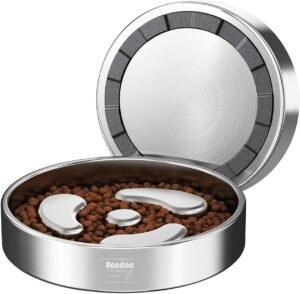

Feeding your furry friend can sometimes put a strain on your wallet, especially with commercial dog food prices on the rise. However, preparing homemade dog food is not only a cost-effective option but also ensures that your pet consumes a healthy and balanced diet. This article will guide you through budget-friendly recipes and essential tips to create nutritious meals for your canine companion.
Benefits of Homemade Dog Food
Before diving into the recipes, it’s important to understand why homemade dog food can be beneficial for both you and your pet.
Cost-Effectiveness
By using ingredients you already have at home or purchasing in bulk, you can significantly reduce the cost of feeding your dog. Bulk purchases of grains, vegetables, and proteins can be more economical than buying pre-packaged dog food.
Quality Control
Homemade dog food allows you to control the quality of ingredients, ensuring that your dog is not exposed to harmful preservatives, fillers, or artificial additives. You can select fresh, whole foods that are free from contaminants.
Customization
Every dog has unique dietary needs, and homemade meals can be tailored to meet those requirements. Whether your dog needs to lose weight, requires a special diet due to allergies, or simply has a finicky palate, you can adjust recipes accordingly.
Essential Nutrients for Dogs
Before creating homemade dog food, it’s crucial to understand the nutritional needs of dogs to ensure they receive a balanced diet.
Proteins
Proteins are vital for muscle development, repair, and overall health. Common protein sources for dogs include chicken, turkey, beef, and fish. Aim for lean cuts to avoid excessive fat.
Carbohydrates
Carbohydrates provide energy and aid in digestion. Brown rice, quinoa, and sweet potatoes are excellent, budget-friendly options for your dog.
Fats
Healthy fats are essential for a shiny coat and healthy skin. Incorporate omega-3 and omega-6 fatty acids through fish oil, flaxseed, or small amounts of olive oil.
Vitamins and Minerals
Fruits and vegetables contribute necessary vitamins and minerals. Carrots, peas, spinach, and blueberries are nutritious options that dogs generally enjoy.
Calcium
Calcium is important for bone health. Include sources like ground eggshells or cottage cheese to meet their calcium needs.
Simple Budget-Friendly Dog Food Recipes
Now that we have a grasp on the nutritional needs of dogs, let’s explore some simple and budget-friendly recipes that you can prepare at home.
Chicken and Rice Delight
Ingredients:
– 2 cups of brown rice
– 1 pound of ground chicken
– 1 cup of mixed vegetables (carrots, peas, and spinach)
– 1 tablespoon of fish oil
Instructions:
1. Cook the brown rice according to package instructions and set aside.
2. In a large pan, cook the ground chicken over medium heat until fully cooked.
3. Add the mixed vegetables to the chicken and sauté for 5 minutes.
4. Combine the cooked rice with the chicken and vegetables mixture. Drizzle with fish oil for added nutrients.
5. Allow the mixture to cool before serving to your dog.
Beef and Sweet Potato Stew
Ingredients:
– 1 pound of lean ground beef
– 1 large sweet potato, diced
– 1 cup of green beans, chopped
– 1 tablespoon of olive oil
Instructions:
1. In a pot, brown the ground beef over medium heat.
2. Add the diced sweet potato and green beans to the beef. Add enough water to cover the ingredients.
3. Bring the mixture to a boil, then reduce to a simmer. Cook until the sweet potato is soft.
4. Stir in the olive oil and let the stew cool before serving.
Fish and Quinoa Medley
Ingredients:
– 1 cup of quinoa
– 2 fillets of white fish (such as tilapia or cod)
– 1 cup of mixed vegetables (zucchini, carrots, and peas)
– 1 tablespoon of flaxseed oil
Instructions:
1. Cook quinoa according to package instructions and set aside.
2. In a pan, cook the fish fillets until they are flaky and fully cooked.
3. Steam the mixed vegetables until tender.
4. Flake the fish and mix it with the quinoa and vegetables. Add flaxseed oil for a boost of omega-3 fatty acids.
5. Allow the medley to cool before serving to your dog.
Tips for Homemade Dog Food
Creating homemade dog food requires some forethought. Here are a few tips to ensure your dog receives a balanced and nutritious diet:
Consult Your Veterinarian
Before making any significant changes to your dog’s diet, consult your veterinarian to ensure the new meals meet your pet’s nutritional needs and to address any health concerns.
Transition Gradually
When introducing homemade dog food, transition slowly by mixing it with your dog’s current food. Gradually increase the homemade portion over a week to avoid digestive upset.
Portion Control
Monitor your dog’s weight and adjust portion sizes as needed to maintain a healthy weight. Overfeeding can lead to obesity and associated health issues.
Variety is Key
To prevent nutrient deficiencies, rotate different protein sources, grains, and vegetables. Variety will keep your dog interested in meals and ensure a well-rounded diet.
Conclusion
Feeding your dog homemade meals doesn’t have to be expensive or complicated. By understanding their nutritional needs and utilizing budget-friendly ingredients, you can provide your furry friend with healthy and delicious meals. With a little planning and creativity, homemade dog food can be a rewarding endeavor for both you and your pet.