
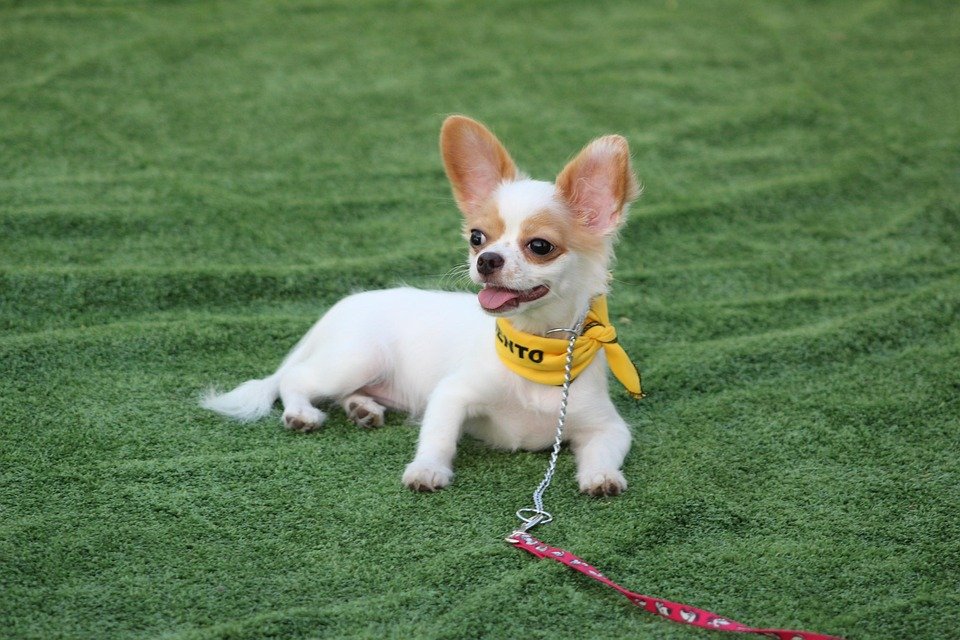
Training your dog is not just about teaching commands; it’s about understanding their behavior and instincts to foster a strong bond between you and your furry friend. Proper training and behavior management are essential for a harmonious household and a well-behaved pet. In this article, we will explore the fundamentals of dog behavior, the importance of training, foundational training techniques, common behavior issues, and much more.
Understanding Canine Behavior
Natural Instincts and Communication
Dogs are social animals with instincts shaped by their ancestry as pack animals. Understanding their natural behaviors can help enhance your training experience. Key points include:
- Body Language: Dogs communicate through body language. A relaxed body, wagging tail, and open mouth indicate comfort, while a stiff posture, tucked tail, or growling may signal distress or aggression.
- Vocalizations: Barking, whining, and growling serve different purposes. Recognizing the context can help you respond appropriately.
- Play Behavior: Play is crucial for socialization and learning. It allows dogs to practice skills and build confidence.
How Dogs Learn and Respond to Stimuli
Dogs learn primarily through association and experience. The most common learning theories include:
- Classical Conditioning: Associating a neutral stimulus with a significant one (e.g., associating the sound of a treat bag with mealtime).
- Operant Conditioning: Learning through consequences, where behaviors are reinforced or discouraged by rewards or punishments.
Importance of Training in Dogs
Training goes beyond obedience; it is vital for mental stimulation and socialization.
Mental Stimulation
Engaging your dog’s mind is crucial for their overall well-being. Boredom can lead to behavioral issues. Activities that provide mental stimulation include:
- Puzzle toys
- Obedience training sessions
- Interactive games
Safety and Socialization Benefits
Training ensures your dog can safely navigate the world. Proper training enhances social skills, which can prevent dangerous situations. Key benefits include:
- Reducing aggression or fear towards other dogs or people
- Ensuring reliable recall in potentially dangerous situations
- Fostering a well-adjusted pet that can accompany you in various settings
Basic Dog Training Foundations
Positive Reinforcement Principles
Positive reinforcement is the most effective and humane training method. This involves rewarding desired behaviors to increase their frequency. Key elements include:
- Timing: Immediate rewards reinforce the behavior.
- Consistency: Use the same commands and rewards consistently.
Consistency and Timing
Consistency in commands and training sessions helps your dog learn faster. Make sure all family members use the same cues and follow the same training techniques.
Reward-Based Training Methods
Reward-based training focuses on encouraging good behavior rather than punishing bad behavior. This can include:
- Treats
- Praise
- Play
Essential Commands Every Dog Should Learn
Teaching essential commands can greatly enhance your dog’s behavior and safety. Key commands include:
- Sit: A basic command that establishes control.
- Stay: Useful for keeping your dog in one place.
- Come: Critical for recall.
- Down: Helps calm an excited dog.
- Leave it: Prevents your dog from picking up dangerous items.
Training Tips for Beginners
- Short Sessions: Keep training sessions brief (5-10 minutes) to maintain focus.
- Start Simple: Begin with basic commands before progressing to more complex tasks.
- Use High-Value Rewards: Use treats your dog loves to motivate them.
Puppy Training vs Adult Dog Training
Critical Socialization Periods
Puppies undergo critical socialization periods between 3 and 14 weeks. Exposing them to a variety of people, pets, and environments during this time can shape their behavior positively.
Adjusting Techniques by Age
Training methods may need to be adjusted based on the dog’s age and previous experiences. Puppies are often more adaptable, while older dogs may require more patience and different techniques.
Common Dog Behavior Issues
Excessive Barking
Barking can be a form of communication or a sign of distress. Identify triggers and consider training methods to reduce excessive barking.
Chewing and Destructive Behavior
Puppies naturally chew, but destructive chewing can lead to damaged property. Provide appropriate chew toys and redirect destructive behavior.
Jumping on People
Jumping can be a sign of excitement. Teach your dog to greet people calmly by rewarding them when all four paws are on the ground.
Pulling on Leash
Leash pulling can make walks challenging. Training techniques such as “stop and go” or using a no-pull harness can help.
Separation Anxiety
Dogs with separation anxiety may exhibit destructive behavior or excessive barking when left alone. Gradual desensitization and providing safe spaces can help alleviate anxiety.
Managing and Correcting Behavior Positively
Redirection Techniques
When your dog engages in undesirable behavior, redirect their attention to an appropriate activity. For example, if your dog is chewing on furniture, redirect them to their chew toy.
Environmental Management
Modify your dog’s environment to prevent unwanted behaviors. This can include:
- Using baby gates to limit access to certain areas
- Providing engaging toys to prevent boredom
Avoiding Punishment-Based Training
Punishing undesirable behavior can lead to fear and anxiety. Instead, focus on reinforcing positive behaviors and redirecting negative actions.
Socialization and Environmental Exposure
People, Pets, and New Environments
Regular exposure to diverse experiences helps prevent fear and anxiety. Socialization should be a gradual and positive experience.
Fear Prevention Strategies
Introduce new experiences slowly and reward calm behavior to prevent fearful reactions.
When to Seek Professional Help
Signs You May Need a Trainer or Behaviorist
If you encounter persistent behavior issues that you cannot manage, it may be time to consult a professional. Signs include:
- Aggression towards other dogs or people
- Inability to control excessive barking or destruction
- Severe separation anxiety
Importance of Veterinary Guidance
Always consult your veterinarian for behavioral concerns to rule out any medical issues.
Myths vs Facts About Dog Training
Dominance Theory
The idea that dogs must submit to their owners is outdated. Modern training emphasizes cooperation and understanding rather than dominance.
“Old Dogs Can’t Learn” Myth
Older dogs can learn new tricks! With patience and the right approach, any dog can be trained at any age.
Conclusion
Understanding dog behavior and employing effective training techniques are crucial for developing a strong bond with your pet. By using positive reinforcement, being consistent, and recognizing the signs of stress or anxiety, you can foster a well-behaved and happy dog. Remember, training is a lifelong journey, and seeking professional guidance when needed is a testament to responsible pet ownership.
FAQ Section
What is the best age to start dog training?
Starting training as early as 7-8 weeks is ideal, especially for basic commands and socialization.
How long does it take to train a dog?
Training duration varies; basic commands can take a few weeks, while more complex behaviors may take months.
Is positive reinforcement effective?
Yes, positive reinforcement is scientifically proven to be the most effective and humane training method.
How do I stop my dog from barking?
Identify triggers and redirect their attention. Training commands like “quiet” can also help.
Can older dogs be trained?
Absolutely! Older dogs can learn new behaviors with patience and consistency.
By adhering to these principles and seeking help when necessary, you ensure a fulfilling and enriching life for both you and your dog. Happy training!